Eduardo Cabanas/Shutterstock.com
PROJECT
INFORMATION
Geography
Focus Areas
Contact
Jacopo Monzini
Florent Tomatis
Keywords
Eduardo Cabanas/Shutterstock.com
Geography
Focus Areas
Contact
Jacopo Monzini
Florent Tomatis
Keywords
This project supports the update of Amman’s Green City Action Plan (GCAP) by pursuing two objectives: (i) integrating sustainable urban food logistics into city planning, and (ii) expanding urban green cover to reduce urban heat island effects and strengthen climate resilience.
To achieve these objectives, the project will identify priority policy and investment actions, with a particular focus on Amman’s central market as a strategic food hub. It will assess opportunities to improve food system efficiency and resilience, reduce and valorize food waste through circular approaches, strengthen regional supply linkages, and identify green infrastructure investments to address heat stress and water scarcity. The project will also review relevant policy and regulatory frameworks, foster public-private dialogue, and provide evidence-based recommendations and monitoring indicators to support long-term implementation of the GCAP and future climate action.
Urban food systems are increasingly exposed to disruptions caused by global crises, changing consumer behaviour and growing pressures on city logistics networks. Ensuring reliable, efficient and sustainable food distribution requires coordinated investments in infrastructure, stronger linkages between urban and rural areas, improved regulatory frameworks and innovative approaches. International experience highlights the importance of modernizing urban food logistics through sustainable practices, digitalization and collaboration between public and private stakeholders.
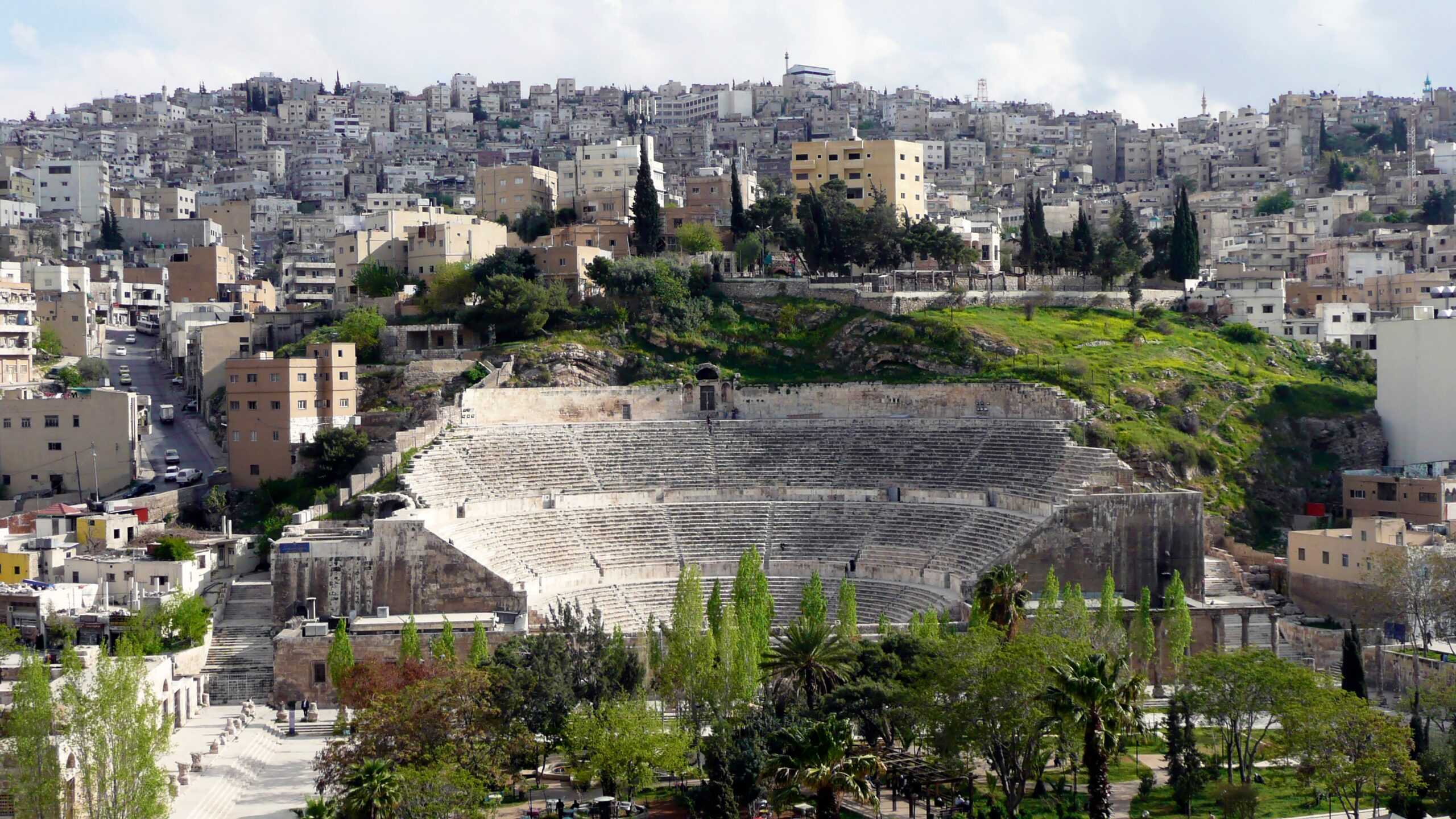
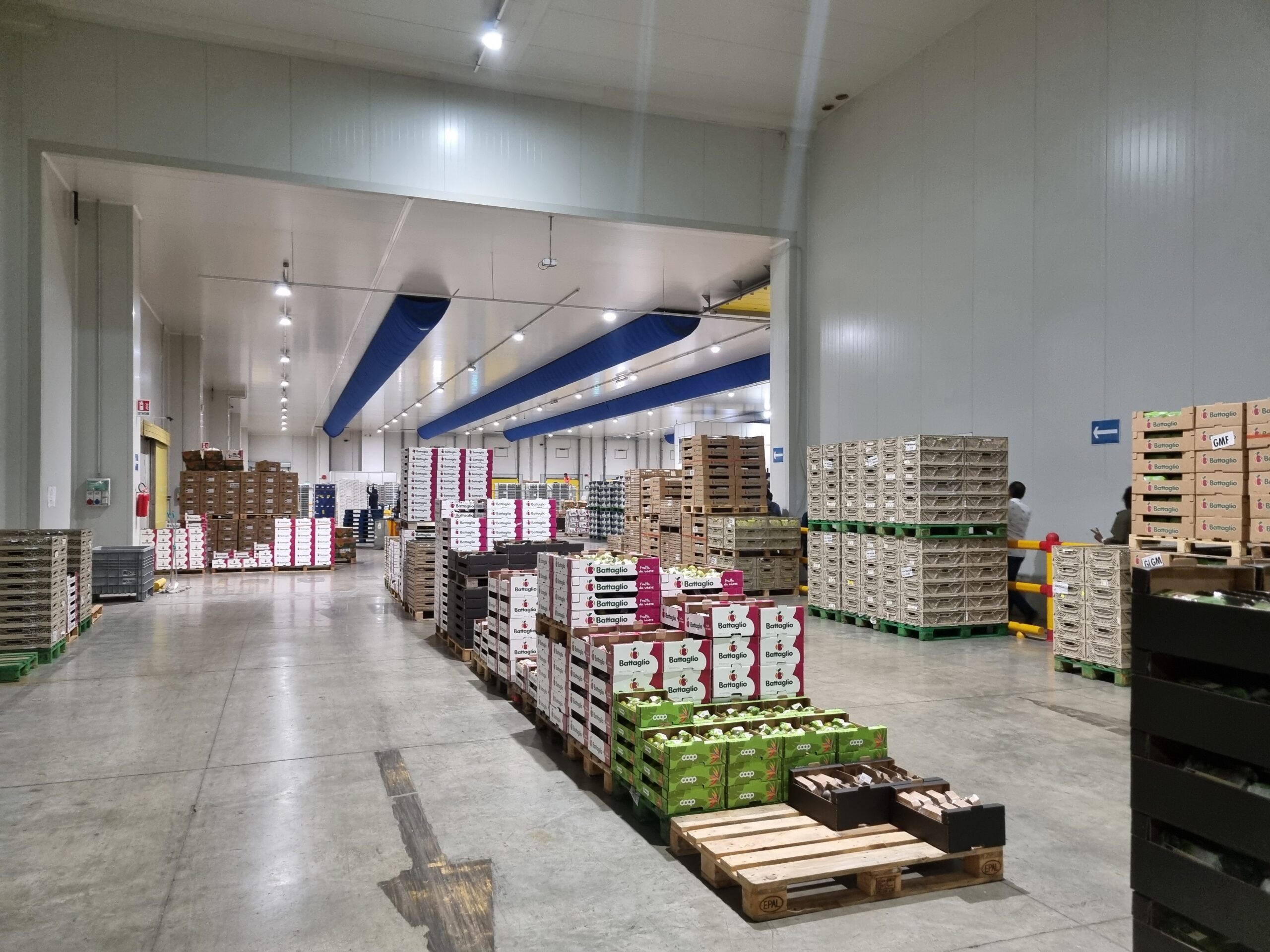
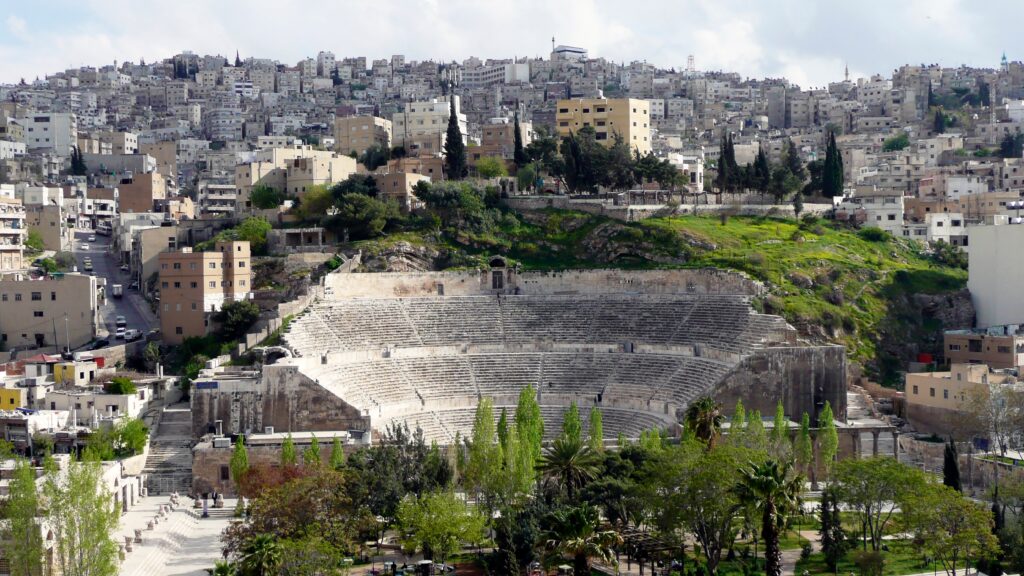
In Amman, which accounts for around half of Jordan’s food consumption, the central market is a critical hub for national and regional food distribution. Handling approximately 4 500 tonnes of produce daily and supporting thousands of jobs, the market plays a vital economic role while also generating significant amounts of organic waste. As the Greater Amman Municipality (GAM) plans to expand the market and its logistics functions, there is an opportunity to strengthen the efficiency, resilience and sustainability of the city’s food system, including through improved waste management and circular economy solutions.
Amman also faces growing challenges from the urban heat island (UHI) effect, driven by extensive built surfaces, limited vegetation and the impacts of climate change. Rising temperatures, more frequent heatwaves and severe water scarcity are increasing heat stress, energy demand and climate vulnerability across the city. Addressing these challenges requires a combination of urban greening, climate adaptation and water-smart planning approaches that can improve environmental conditions while making efficient use of scarce resources.
This project explores opportunities to expand Amman’s green cover and enhance climate resilience through investments such as rooftop greening, native urban forests, blue-green corridors, and improved parks and public spaces. It also promotes the integration of nature-based solutions, permeable surfaces, rainwater harvesting, treated wastewater reuse and other sustainable water management measures into municipal planning.
Integrating sustainable food logistics into city planning
Expanding urban green cover