PROJECT
INFORMATION
Geography
Focus Areas
Contact
Florent Tomatis
Keywords

Geography
Focus Areas
Contact
Florent Tomatis
Keywords
The EBRD and FAO worked with partners in Georgia to strengthen its agritourism industry and create more jobs in rural areas, protect livelihoods and culinary traditions, and preserve local biodiversity.
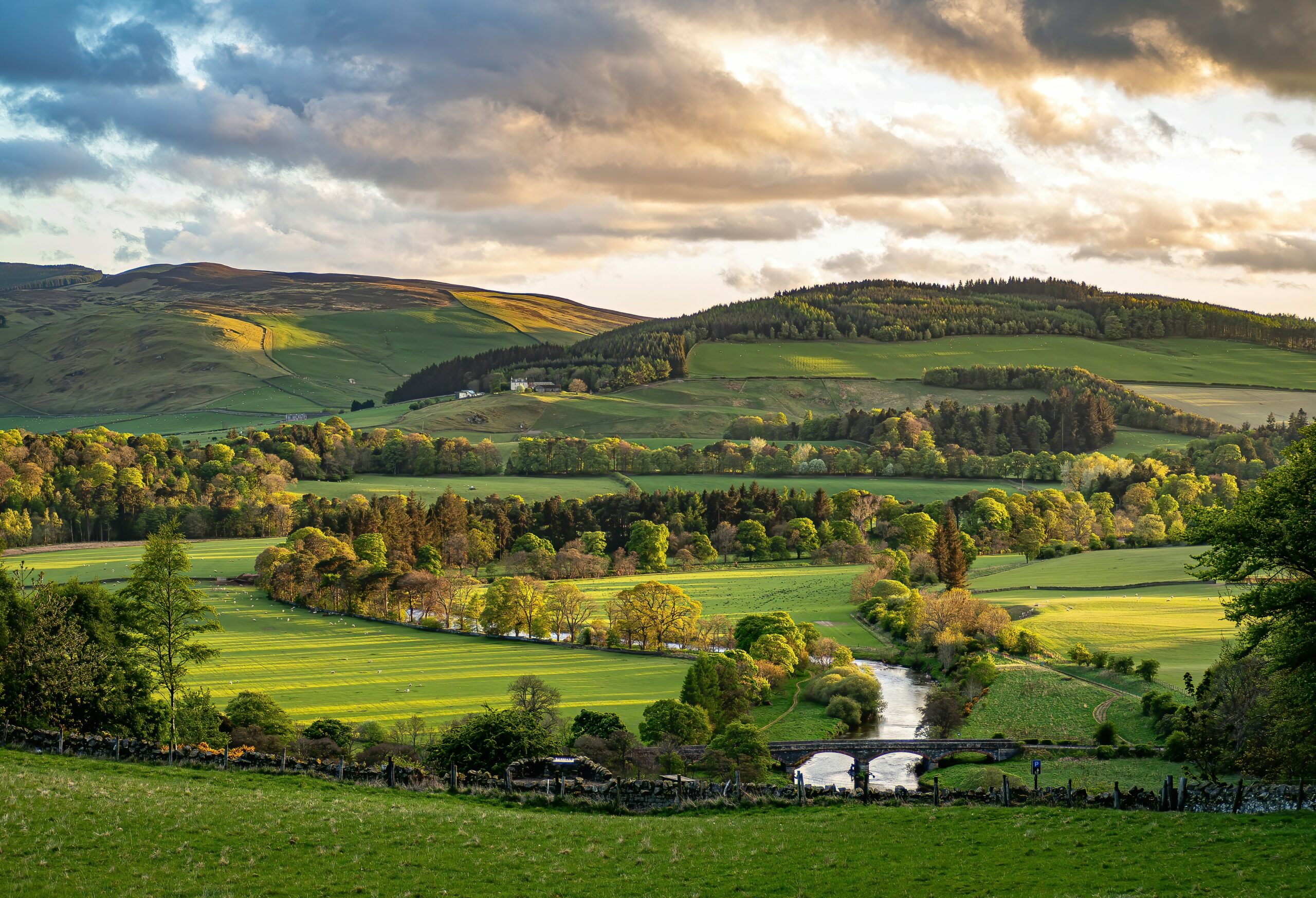
With its gastronomic traditions, rich cultural heritage and striking scenery, Georgia, supported by the EBRD and FAO, has set its sights on becoming a top agritourism destination in the next decade.
Travel and tourism already play a key role in the country’s national economy, contributing around 10 percent to GDP, bringing benefits to both tourists and the agri-food sector. As visitors enjoy unique local culinary products including wines, bread and dairy products produced through traditional methods, they help generate revenue and employment opportunities, especially in rural areas. It also protects Georgia’s unique local agrobiodiversity and ancestral know-how.
This project is supporting Georgia to develop an agritourism development strategy and investment roadmap that strengthens the links between tourism and producers. It also seeks to promote agritourism routes and enhance traditional value chain marketability. The strategy will foster traditional local production and improve the distribution of benefits along the value chain – eventually creating investment incentives for local quality products.
The EBRD and FAO are partnering with the Ministry of Environmental Protection and Agriculture of Georgia, the Georgian National Tourism Administration, Elkana Biological Farming Association and Georgian Farmers’ Association, and local destination management organizations among others to:
Develop a roadmap to guide a sustainable agritourism development strategy including through a series of highly participatory workshops.
Link leading players of the tourism sector with local producers of speciality food products and promote agritourism with a special focus on genuine Georgian gastronomy and biodiversity preservation.
Enhance and promote special quality products through strengthened value chains and links with markets including rural tourism, and the development of Geographical Indications.
Connect hotels, restaurants, and catering to producers and develop local sourcing guidelines.