PROJECT
INFORMATION
Geography
Focus Areas
Contact
Boris Sterk
Keywords

Geography
Focus Areas
Contact
Boris Sterk
Keywords
Improving tea quality while anticipating climate risks could change the fortunes of two ancient tea-producing industries according to two reports from the EBRD and FAO.
Improving tea quality while anticipating climate risks could change the fortunes of two ancient tea-producing industries, Azerbaijan and Georgia. FAO and the EBRD joined forces to provide analytics and policy directions, with a view to revive the tea sector in these two countries countries. At stake are lots of potential new jobs in rural areas.
A review carried out by the EBRD and FAO provides insights into reviving the fortunes of Georgia and Azerbaijan’s historic tea-producing past. Considered part of one of the world’s northernmost tea-producing regions, the two countries supplied most of the tea drunk in the Soviet Union until its collapse in the 1980s. Today they account for less than 0.05 percent of global tea production, while a growing global taste for high-quality artisan teas, in particular green, health and wellness teas, could help reverse this decline.
Investments to meet stringent organic production standards and comply with strict rules of origin certification could open new doors to potentially lucrative export markets, including in Europe and North America.
From an environmental sustainability perspective, the development of tea production in Azerbaijan and Georgia if done properly, may also have beneficial effects in terms of carbon neutrality and improving soil quality. However, climate-related risks to the sector need to be anticipated, including the possible introduction of new pests and higher irrigation needs.
The EBRD in partnership with FAO, and through discussion with both public and private stakeholders, assessed the tea sectors in Azerbaijan and Georgia to identify areas of improvement and opportunities for potential investment, considering:
Recent developments and challenges for tea production include international and domestic market developments, key factors of growth and sector challenges.
Production and quality in comparison with other tea-producing countries including compliance with international quality standards and possible quality improvements at the various stages of production and processing.
Potential for growth in domestic and export markets including costs and returns compared to other tea-producing countries, and, at the domestic level, compared to other crops.
The environmental impact of tea production and the potential risks posed to it by climate change.
In 2021, the project concluded with the publication of three reports which include recommendations to:
In Georgia, there is a strong private sector endorsement of the recommendations including:
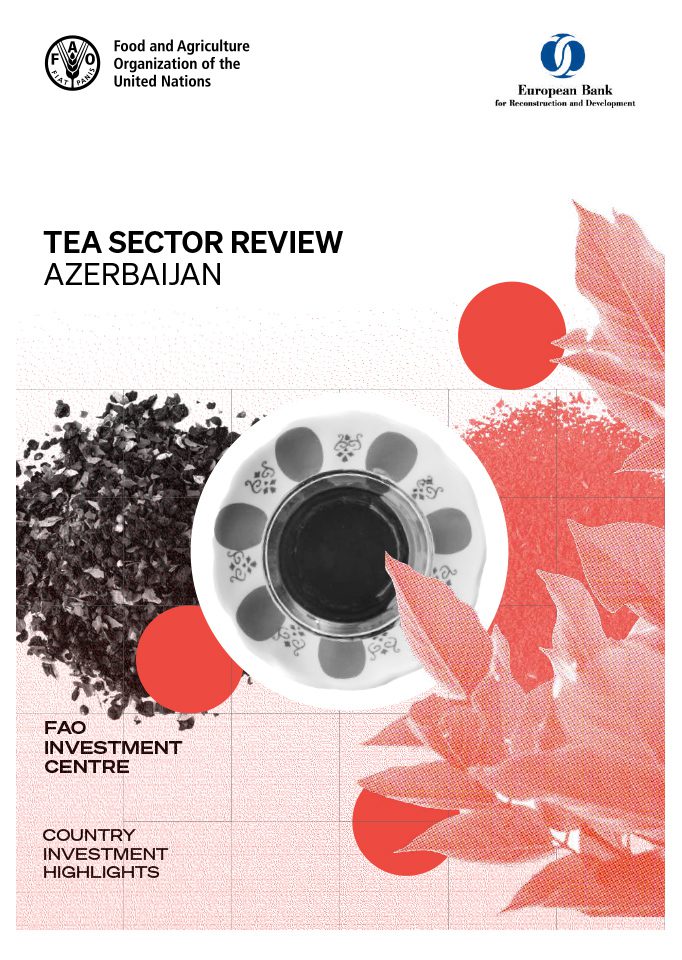
Tea Sector Review – Azerbaijan
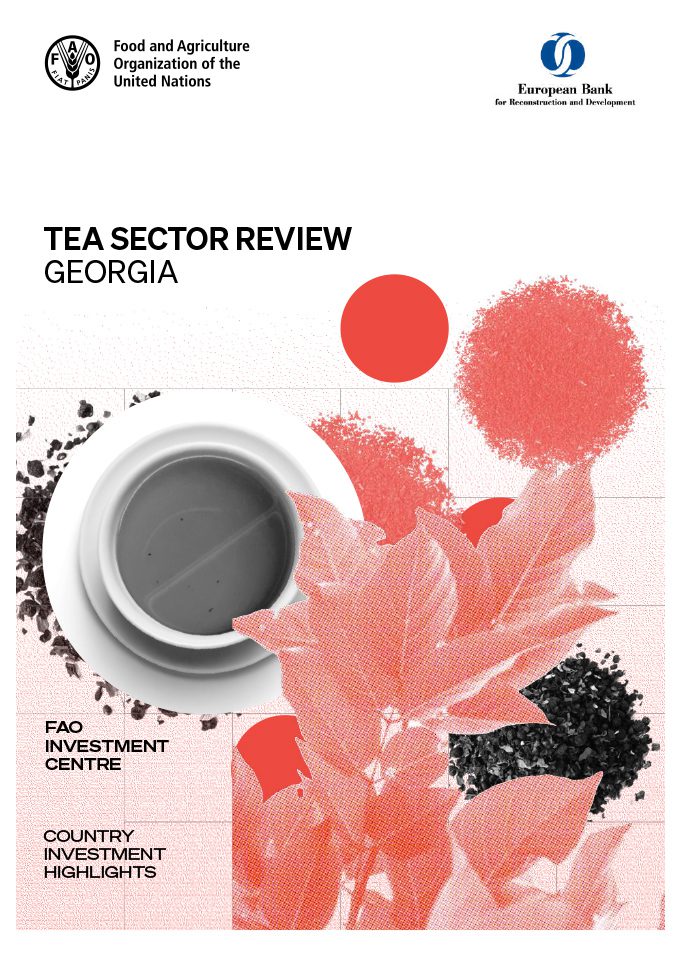
Tea Sector Review – Georgia
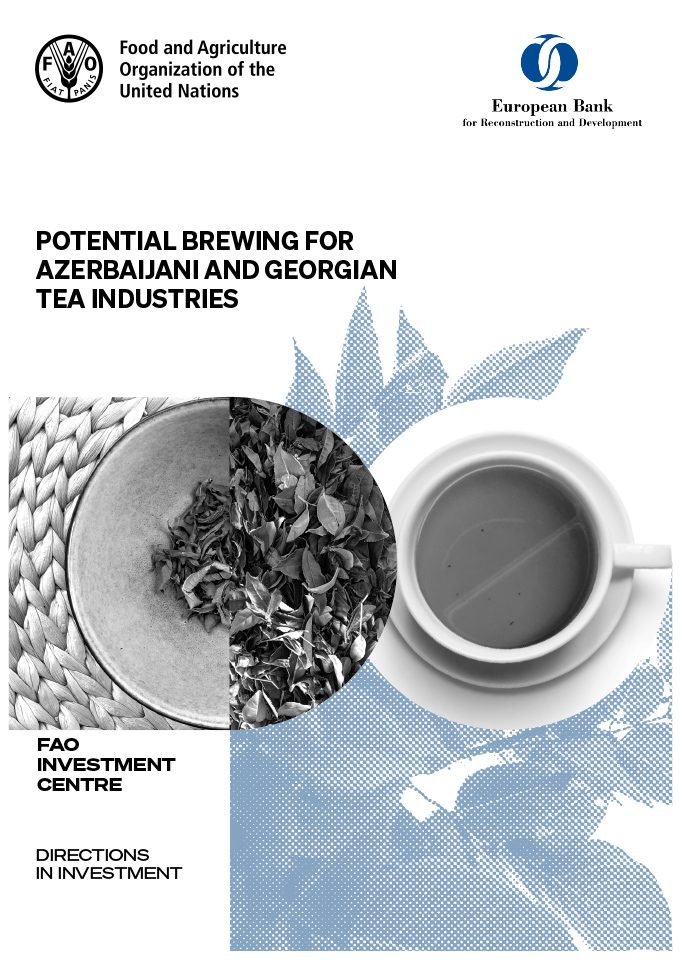
Potential Brewing for Azerbaijani and Georgian Tea Industries