Investing in climate-efficient agrifood systems infrastructure

Summary

Under this project, the EBRD and FAO aim to support the identification of investment opportunities in climate-efficient agrifood systems infrastructure for selected value chains in Uzbekistan and along the Danube corridor, guiding agribusinesses operating in specific value chains, as well as other investors, in decisions they make related to climate-efficient infrastructure.

Context

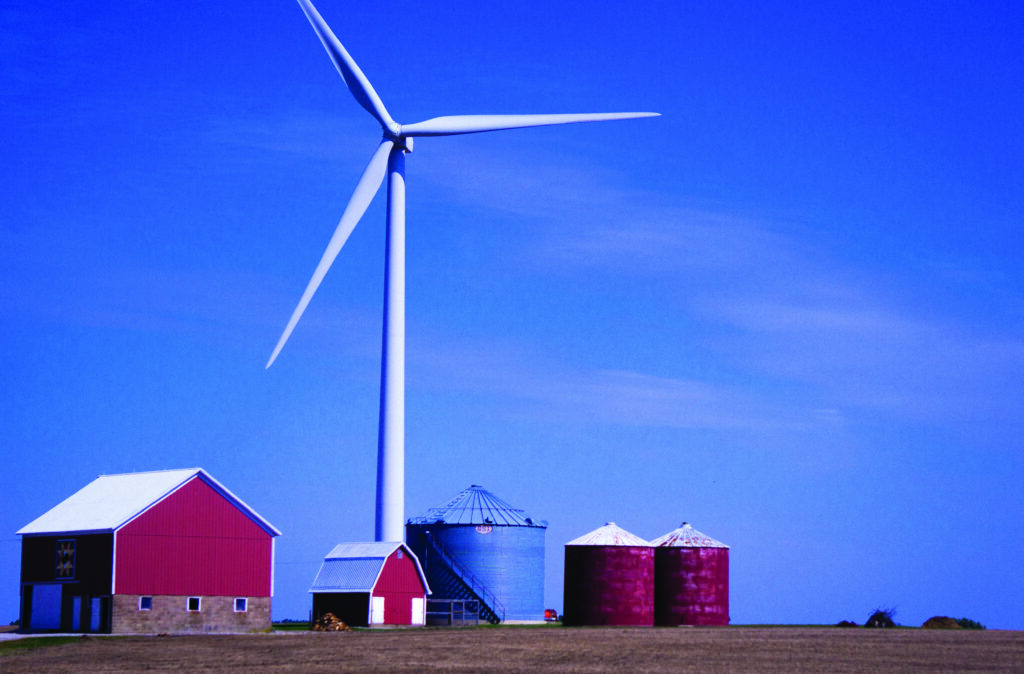
Agrifood systems (AFS) are central to the global economy, generating around USD 9 trillion annually and employing more than a quarter of the world’s workforce. They are also critical to addressing food security, climate change, water management and rural livelihoods. However, global policy and investment discussions often prioritize sectors such as transport, energy and digital infrastructure, while the specific infrastructure needs of agrifood systems remain under-recognized. Scaling up innovative, climate‑efficient agrifood systems infrastructure is therefore essential to enable sustainable, resilient, and inclusive agrifood systems.

To address this need, the EBRD and FAO jointly developed a new conceptual framework for climate‑efficient agrifood systems infrastructure, presented at COP29 and published in a joint report in 2024. This earlier work was carried out as part of a previous project, Towards a new generation of climate-efficient agrifood systems infrastructure. The conceptual framework defines such infrastructure as long‑lived, capital‑intensive assets that support competitive and inclusive agrifood systems while delivering essential ecosystem services. It is supported by key performance indicators across economic, environmental, climate and social dimensions, providing practical guidance to investors, policymakers and financial institutions to align agrifood investments with sustainability and resilience goals.

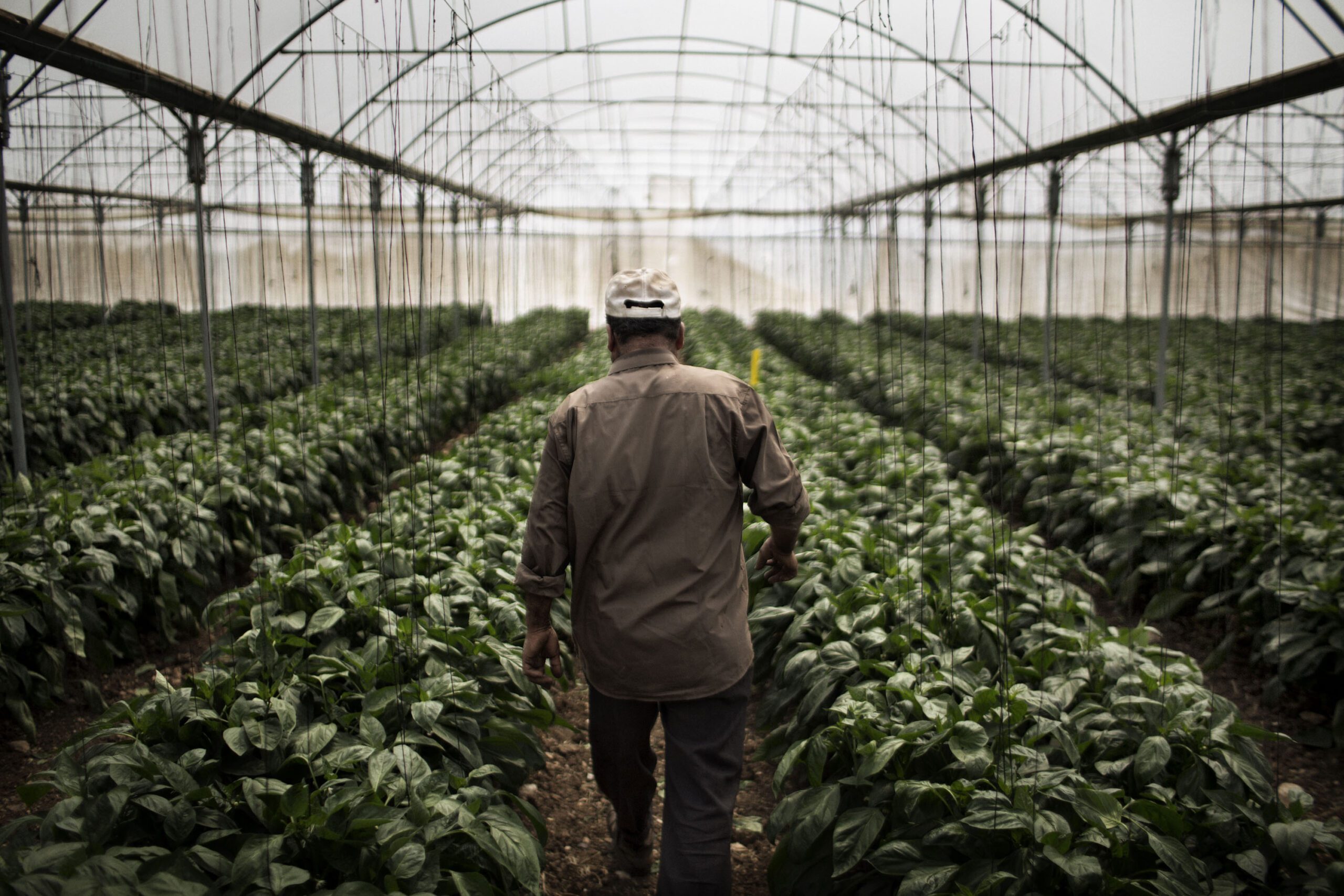
Building on this work, this current project will focus on priority agrifood systems infrastructure in Uzbekistan and the Danube corridor, focusing on horticulture and grain and oilseeds, respectively, spanning production, processing, distribution and marketing.

The new project will also create synergies with ongoing EBRD-FAO initiatives on green value chains and climate‑smart investments, leveraging FAO’s policy expertise and country engagement alongside EBRD’s private‑sector networks to inform policy dialogue, mobilize investment and strengthen climate‑resilient agrifood systems. In Uzbekistan specifically, the project will link with the Developing NDC implementation roadmaps for climate smart agrifood systems project.


Activities

  • Map climate and environmental hotspots by looking at patterns that affect agrifood systems’ value addition and country-specific comparative advantages.
  • Review relevant national and regional strategies for climate change mitigation and adaptation, in addition to agribusiness development strategies and priorities expressed by private and public sector stakeholders.
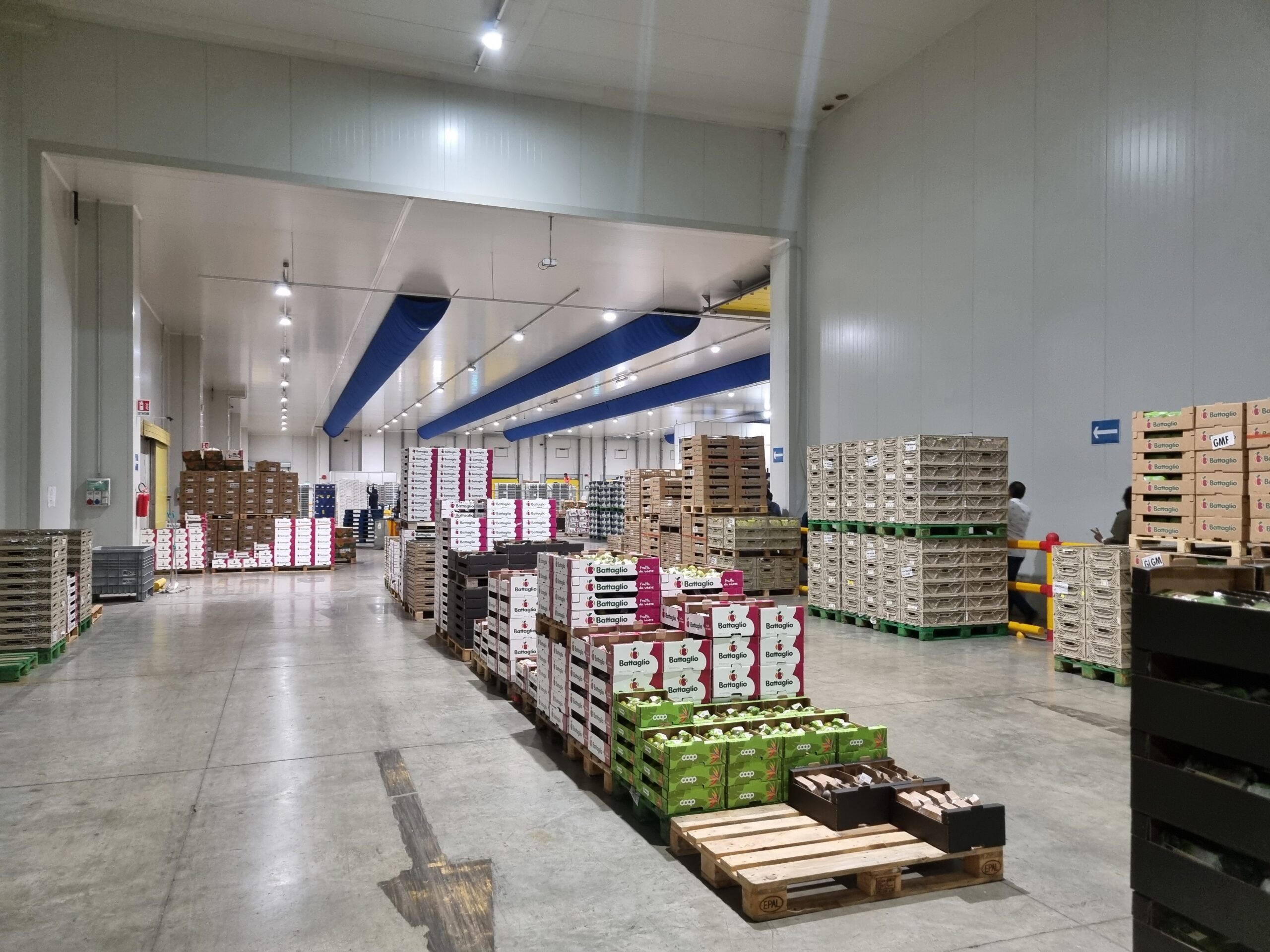
  • Identify suitable climate-efficient agrifood systems infrastructure gaps through assessments of the current state of agrifood systems infrastructure in the selected geographies and value chains, identifying key gaps and opportunities for climate-efficient investment.
  • Map high-priority regions for infrastructure deployment, based on the intersection of climate vulnerability, strategic value chain importance and investment readiness.
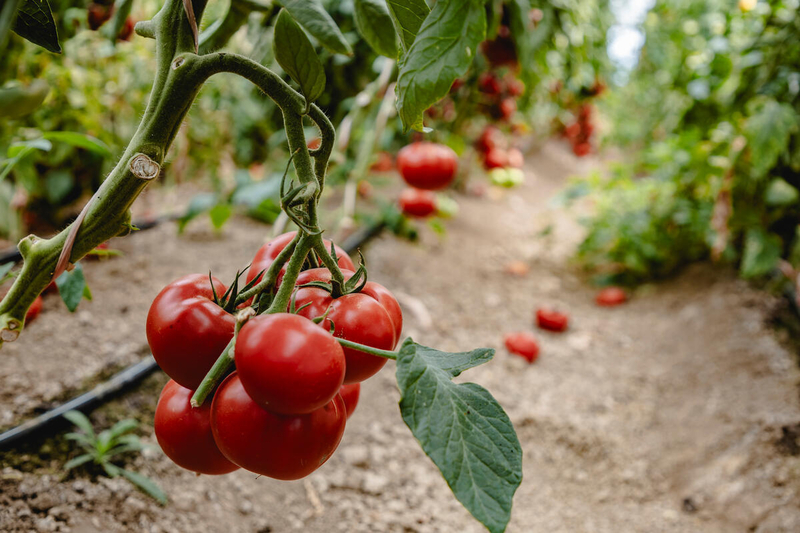
  • Engage with relevant private and public stakeholders in the horticulture value chain (Uzbekistan) and grain and oilseeds (Danube corridor), through evidence-based consultations.
  • Identify priority infrastructure needs for the selected value chains and define the most suitable infrastructure types.

RECENT PROJECTS

Scroll to Top

PROJECTS

Investing in climate-efficient agrifood systems infrastructure

ACES: Sustainable grains and oilseeds

ACES: Environmental sustainability in the olive oil sector

Enhancing market diversification for traditional product value chains in Tunisia, Jordan and Morocco

ACES: an Agrifood Climate and Environmental Sustainability initiative

AgriAcademy: digital learning, knowledge transfer and business matching in Ukraine’s agribusiness sector

Regional: Scoping agrifood value chain investments in Western sub-Saharan Africa

ACES: Urban logistics and reduction of Food Loss and Waste (FLW)

ACES: Innovation E-Dialogue Series

Protecting and promoting the reputation of Türkiye’s Bursa black fig and peach

Developing NDC roadmaps for climate-smart agrifood systems

Mongolia: Strengthening climate resilience in dairy farming

Greening Kyrgyzstan’s economy: Know more, act better, enhance results

Facilitating agrifood investment in the energy-water-land nexus in Central Asia

Reforming Tunisia’s grain sector to enhance supply chain resilience

Adding a splash of value to Tunisian olive oil

Containing the risks of African swine fever in south-eastern Europe

Defining the path towards climate-efficient agrifood system infrastructure

Filling food security gaps in SEMED supply pipelines

A more resilient food secure future in the SEMED region

Reducing risks in SEMED food security supply chains

Improving traditional livelihoods with modern technology in Kazakhstan

Morocco olive oil production steps up to the plate

Carbon Neutrality: Utopia or The New Green Wave?

A Digital Transition to Safer Food Systems through e-phyto certificates

Putting Georgia’s Traditional Foods on the Culinary Roadmap

A Fresh Approach to Diversifying Agrifood Exports in the Western Balkans

Raising the Stakes for Quality Standards in Montenegro and Serbia

Diversifying Markets for Eastern European and Central Asian Horticulture

Building Back Shorter in Value Chains

Green Horticulture in a Digital Climate

A Taste for Quality Tea in Azerbaijan and Georgia

Linking youth innovation to value chain aggregators in the agrifood sector

The Resilience Pathway: Evolution of Food Distribution Systems during COVID-19

Putting Agricultural Resilience into Serbia’s Irrigation Pipelines

Reimagining the Future of Food for the Cities

Developing a Taste for West Bank and Gaza Olive Oil

Supporting Jordan’s Olive Oil Sector to be Resilient, Competitive and Profitable

Investing in Food Loss and Waste: What’s in it for Development Banks?

Strengthening Moroccan agrifood exporters’ sustainability and competitiveness on global high value markets

Jordan’s Traditional Foods Added to the Development Menu

Creating a Buzz for Türkiye’s Pine Honey

Serving up Egypt’s fruits and vegetables to the international markets

A Public-private Recipe for More Efficient Wheat Imports in Egypt

Agtivate
Privacy Overview

This website uses cookies so that we can provide you with the best user experience possible. Cookie information is stored in your browser and performs functions such as recognising you when you return to our website and helping our team to understand which sections of the website you find most interesting and useful.