PROJECT
INFORMATION
Geography
Focus Areas
Contact
Areej Jafari
Keywords
Geography
Focus Areas
Contact
Areej Jafari
Keywords
Increasing export markets for Jordan’s olive oil will generate income for farmers and producers and boost resilience to increasing water scarcity and erratic weather.
The EBRD and FAO are working to enhance the competitiveness of Jordan’s olive oil and diversify Jordan’s olive export market, a high-added-value crop traditionally grown across the Mediterranean. In Jordan, the agri-food sector plays an important role in income generation and employment, particularly for its relatively young population. However, in this already dry area, agricultural production environments are becoming increasingly challenging with erratic climate conditions and increasing water scarcity.
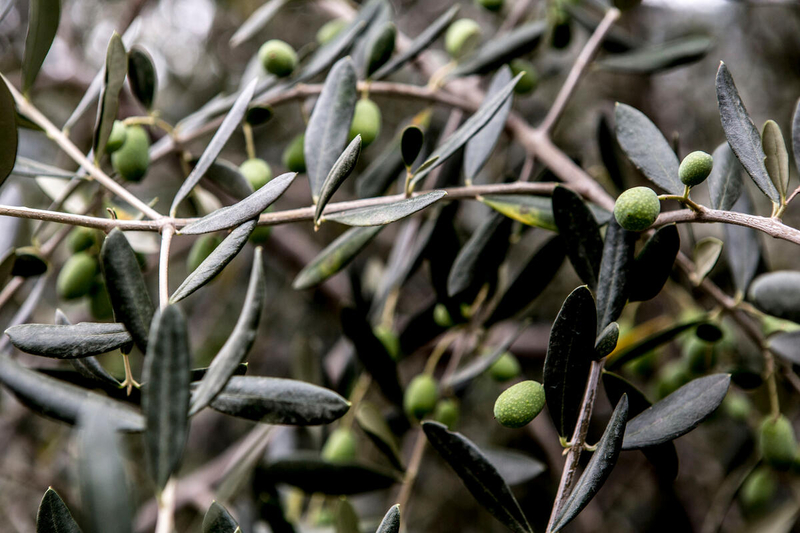
Olive trees cover around 20 percent of total cultivated areas and account for 73 percent of all fruit trees planted in the country, where production over the last ten years averaged 23 thousand tonnes with sales mainly to domestic markets. The trees are resilient to hot and dry conditions. These ecological considerations, coupled with the high demand for olive oil from international consumers, mean that olives are a strategic crop choice for Jordan. Developing the sector requires investment in both infrastructure and capacity to both maximize and stabilize yields, align product quality with international standards and increase the visibility of Jordan’s olive oil on international markets.
Conduct a value chain review specifically targeted to olive oil production.
Provide training, capacity development and targeted technical support to facilitate sector development.
Facilitate public-private dialogues and support activities to enable greater private sector investment in food product quality and efficiency along the value chain.