Summary

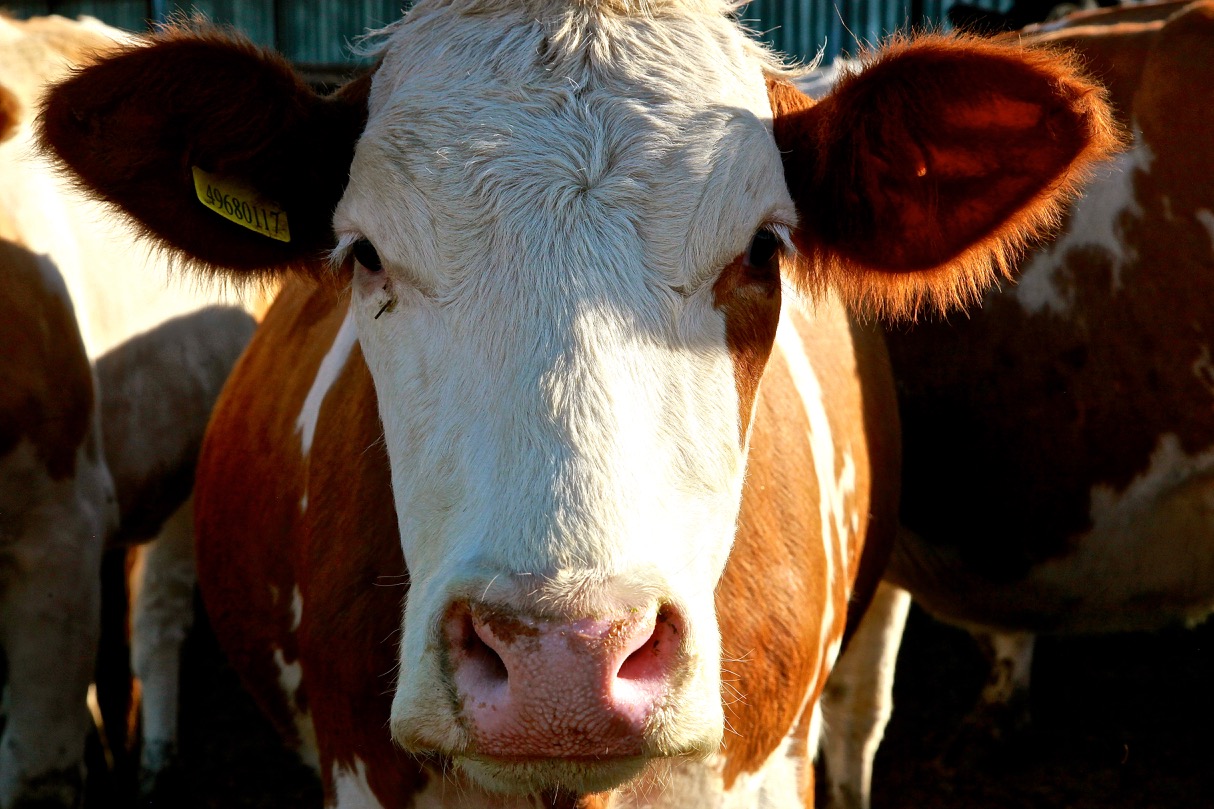
Under the ACES initiative, the EBRD and FAO will support private livestock companies with the information and tools required to tackle environmental and climate issues.

At the country level in Türkiye, the project aims to generate evidence of how improved practices can reduce greenhouse gas emissions and emission intensity in cow milk production. It also seeks to strengthen the capacity of national industry platforms and institutions to lead the sector toward a low-emission, climate-resilient future.

Context

The livestock sector is a major contributor to global greenhouse gas (GHG) emissions, accounting for an estimated 14.5 percent of all anthropogenic emissions worldwide. Cattle production alone is responsible for the largest share, driven primarily by enteric methane emissions, manure management, and feed production. In many of the European Bank for Reconstruction and Development (EBRD)’s countries of operation, livestock systems – particularly dairy and beef value chains – represent a significant source of agricultural emissions and climate vulnerability. At the same time, these countries have substantial potential to reduce emissions intensity through improved feeding practices, manure management, animal health, productivity gains, and climate-smart technologies, while strengthening the resilience and competitiveness of the sector.

In this context, the global livestock sector is at a critical crossroads. As demand for affordable animal protein continues to rise, the industry is facing increasing pressure to reduce its environmental footprint while strengthening its resilience to climate change. Dairy and poultry systems, which provide some of the world’s most accessible and affordable sources of nutrition, are particularly exposed to these challenges. Producers and investors must simultaneously improve resource efficiency, lower greenhouse gas emissions, adapt to climate-related risks, and maintain productivity and affordability. Achieving this transition requires urgent, innovative and scalable solutions capable of transforming livestock value chains into more sustainable and climate-resilient systems.

In Türkiye, the population is projected to grow by 11 million by 2050. To ensure long-term food security and meet the rising demand for animal protein, there is a clear need for actionable solutions that unlock the full potential of the country’s livestock sector, which has seen a 36 percent increase in herd size over the last decade. By implementing science-based feeding practices and innovative land-use strategies, such as intercropping and the upcycling of agrifood by-products, the sector can double milk production while simultaneously mitigating greenhouse gas emissions.

Activities

Regional: Green transition of dairy and poultry value chains

  • Create interactive dashboards to monitor animal protein markets, animal feed resources, water and land use, and carbon footprints.
  • Develop the Dairy Cattle Farmland Constructor, a digital tool integrated into FAO’s mobile services to help farmers manage their resource efficiency.
  • Conduct emission intensity assessments for various dairy species (cow, sheep, goat and camel) to establish clear environmental indicators.
  • Deliver regional webinars on climate-smart nutrition, environmental risks and mitigation strategies.
  • Organize knowledge exchange visits for dairy and poultry industry associations to observe best practices in the EU.
  • Produce comprehensive e-handbooks on dairy and poultry that provide technical and environmental data for investors. 

Country-specific: Greening of Türkiye’s dairy sector
  • Analyse the dairy value chain and develop three scenarios (business-as-usual, animal nutrition improvement and green technology investment) to map out a sustainable future.
  • Train the national industry platforms and institutions participating in the project on greening principles and the deployment of digital extension tools.
  • Deliver specialized workshops for at least 100 dairy farmers covering animal nutrition, hygiene and green investment planning.
  • Design and implement a Monitoring, Evaluation, Reporting and Verification (MERV) system to track the adoption of sustainable practices and their impact on farmer livelihoods.

RECENT PROJECTS

Scroll to Top

PROJECTS

ACES: Sustainable livestock farming

Investing in climate-efficient agrifood systems infrastructure

ACES: Sustainable grains and oilseeds

ACES: Environmental sustainability in the olive oil sector

Enhancing market diversification for traditional product value chains in Tunisia, Jordan and Morocco

ACES: an Agrifood Climate and Environmental Sustainability initiative

AgriAcademy: digital learning, knowledge transfer and business matching in Ukraine’s agribusiness sector

Regional: Scoping agrifood value chain investments in Western sub-Saharan Africa

ACES: Urban logistics and reduction of Food Loss and Waste (FLW)

ACES: Innovation E-Dialogue Series

Protecting and promoting the reputation of Türkiye’s Bursa black fig and peach

Developing NDC roadmaps for climate-smart agrifood systems

Mongolia: Strengthening climate resilience in dairy farming

Greening Kyrgyzstan’s economy: Know more, act better, enhance results

Facilitating agrifood investment in the energy-water-land nexus in Central Asia

Reforming Tunisia’s grain sector to enhance supply chain resilience

Adding a splash of value to Tunisian olive oil

Containing the risks of African swine fever in south-eastern Europe

Defining the path towards climate-efficient agrifood system infrastructure

Filling food security gaps in SEMED supply pipelines

A more resilient food secure future in the SEMED region

Reducing risks in SEMED food security supply chains

Improving traditional livelihoods with modern technology in Kazakhstan

Morocco olive oil production steps up to the plate

Carbon neutrality: Utopia or the new green wave?

A digital transition to safer food systems through e-phyto certificates

Putting Georgia’s traditional foods on the culinary roadmap

A fresh approach to diversifying agrifood exports in the Western Balkans

Raising the stakes for quality standards in Montenegro and Serbia

Diversifying markets for Eastern European and Central Asian horticulture

Building back shorter in value chains

Green horticulture in a digital climate

A taste for quality tea in Azerbaijan and Georgia

Linking youth innovation to value chain aggregators in the agrifood sector

The Resilience Pathway: Evolution of Food Distribution Systems during COVID-19

Putting agricultural resilience into Serbia’s irrigation pipelines

Reimagining the future of food for cities

Developing a taste for West Bank and Gaza olive oil

Supporting Jordan’s olive oil sector to be resilient, competitive and profitable

Investing in food loss and waste: What’s in it for development banks?

Strengthening Moroccan agrifood exporters’ sustainability and competitiveness on global high value markets

Jordan’s Traditional Foods Added to the Development Menu

Creating a Buzz for Türkiye’s Pine Honey

Serving up Egypt’s fruits and vegetables to the international markets

A Public-private Recipe for More Efficient Wheat Imports in Egypt

Agtivate
Privacy Overview

This website uses cookies so that we can provide you with the best user experience possible. Cookie information is stored in your browser and performs functions such as recognising you when you return to our website and helping our team to understand which sections of the website you find most interesting and useful.