mommyjarie/Shutterstock.com
PROJECT
INFORMATION
Geography
Focus Areas
Contact
Andriy Yarmak
Keywords

mommyjarie/Shutterstock.com
Geography
Focus Areas
Contact
Andriy Yarmak
Keywords
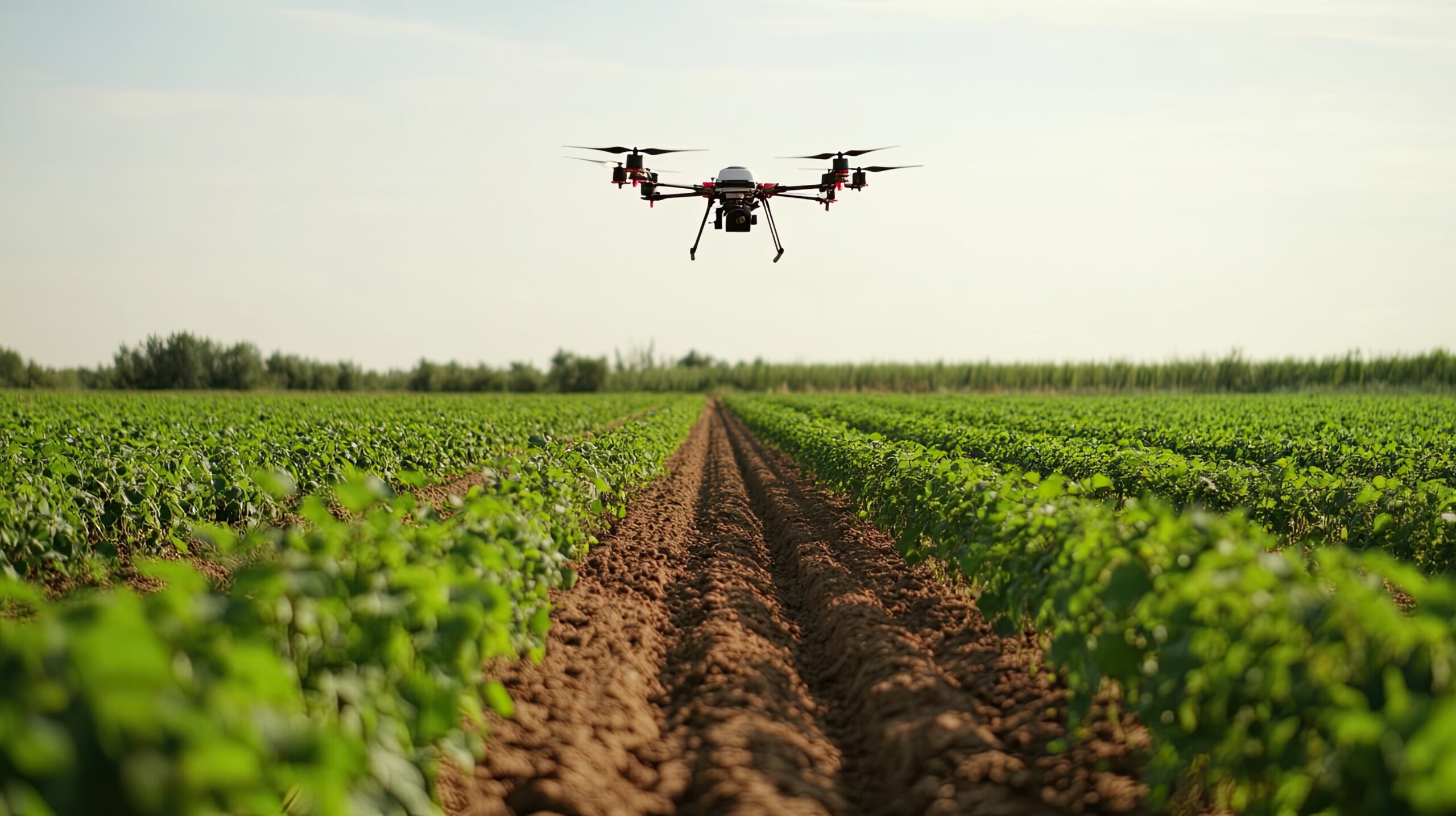
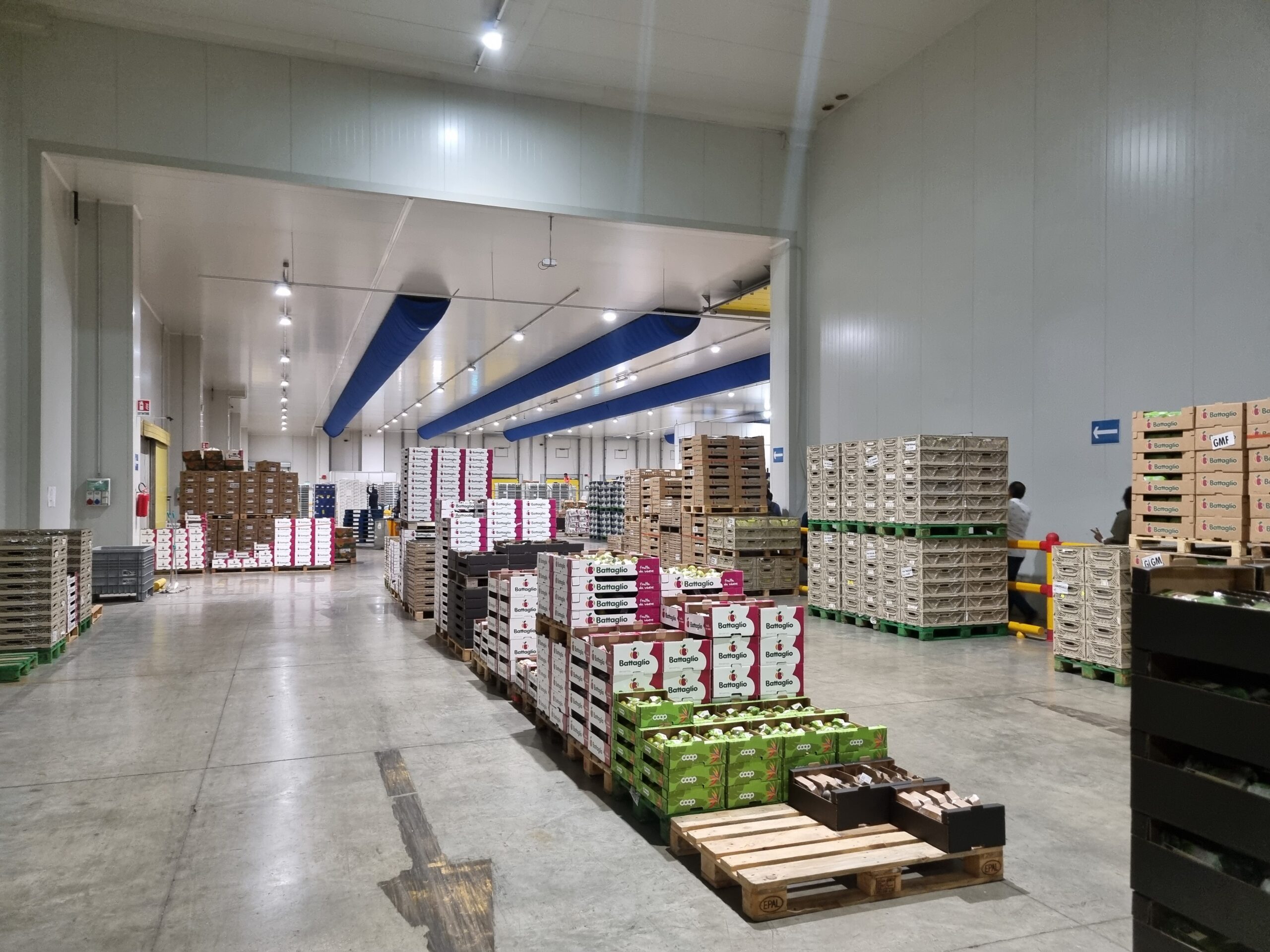
Under the ACES initiative, the EBRD and FAO will inform private sector companies about the key environmental and climate challenges affecting the horticultural value chain and the solutions available to address them. The work will identify and assess emerging technologies and commercial innovations that can reduce the value chain’s environmental footprint, mitigate climate impacts and strengthen its resilience to climate change. Solutions will be explored across all stages of the value chain, from production, irrigation and crop protection to harvesting, storage, post-harvest handling and perishable goods logistics. The analysis will combine a global perspective with an assessment of the specific context and needs of Uzbekistan, where targeted awareness-raising and capacity development activities will support the uptake of sustainable technologies and practices.
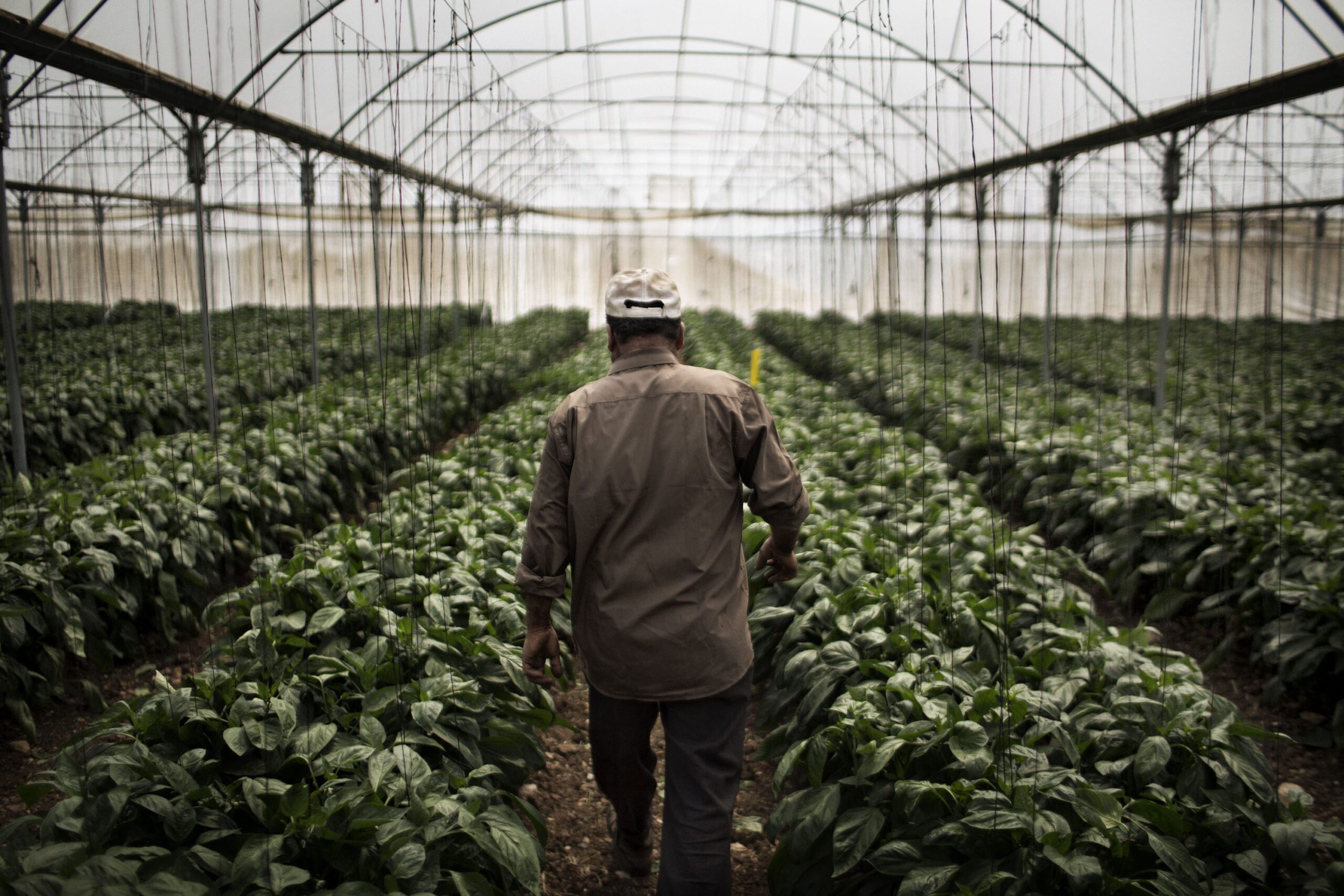
The horticultural sector accounts for almost a quarter of global agricultural production value. Fruits and vegetables are essential sources of vitamins, minerals, and dietary diversity, while horticultural value chains offer significant opportunities for smallholder farmers and agribusinesses. However, the sector faces growing environmental and climate challenges, including water scarcity, inefficient irrigation, soil degradation, biodiversity loss, excessive use of fertilizers and pesticides, and greenhouse gas emissions.
Climate change further threatens production through rising temperatures, droughts, floods and more frequent extreme weather events, while the perishability of horticultural products increases the risk of post-harvest losses and food waste. Addressing these challenges requires the adoption of resource-efficient technologies, sustainable production practices and improved storage, handling, and logistics to reduce environmental impacts and strengthen the resilience of horticultural value chains.
Under the ACES initiative, the EBRD and FAO provide high-level insights into environmental sustainability challenges, opportunities, and emerging solutions. The project also aims to generate practical knowledge to inform investment decisions and promote the sustainable development of the sector.
In Uzbekistan, where a particular focus will be placed, the horticultural value chain is a major contributor to the national economy, employment and export earnings.
Fruits and vegetables are the third most important export revenue-generating sector in the country, with around USD 1.1–1.2 billion worth of foreign sales. They also account for about 70 percent of overall agrifood exports. Domestic trade of fresh produce was estimated at around USD 4 billion in 2024, fueling the development of related sectors, including suppliers of specialized equipment, packaging providers, wholesalers and retailers. The sector is experiencing rapid growth and, at the same time, it is facing important challenges related to its environmental sustainability.
Addressing these issues through the adoption of sustainable practices and resource-efficient technologies is therefore essential for maintaining the long-term growth and competitiveness of the sector. The project will also look at institutional constraints such as the limited organization of industry stakeholders, which hinders the uptake and coordination of sustainability initiatives.
Green transition of key global agrifood chains
Greening the horticultural value chain in Uzbekistan