© FAO Pedro Costa Gomez
PROJECT
INFORMATION
Geography
Focus Areas
Contact
Jozimo Santos Rocha
Keywords
© FAO Pedro Costa Gomez
Geography
Focus Areas
Contact
Jozimo Santos Rocha
Keywords
With the support of the EBRD, FAO and the European Union through EBRD’s Trade and Competitiveness Programme, Egyptian exporters are strengthening their capacities to increase access to and stay competitive in high-value export markets for its delicious and nutritious fruits and vegetables.
The fresh fruit and vegetable export sector is the most rapidly growing agribusiness sector in Egypt. It generated USD 2.2 billion in exports in 2020 and has the potential to expand should farmers and exporters overcome barriers and adapt to evolving standards in international trade. Despite the major progress Egypt has made towards meeting increasingly stringent international food safety standards, there are still major gaps that prevent exporters reaching their full potential.
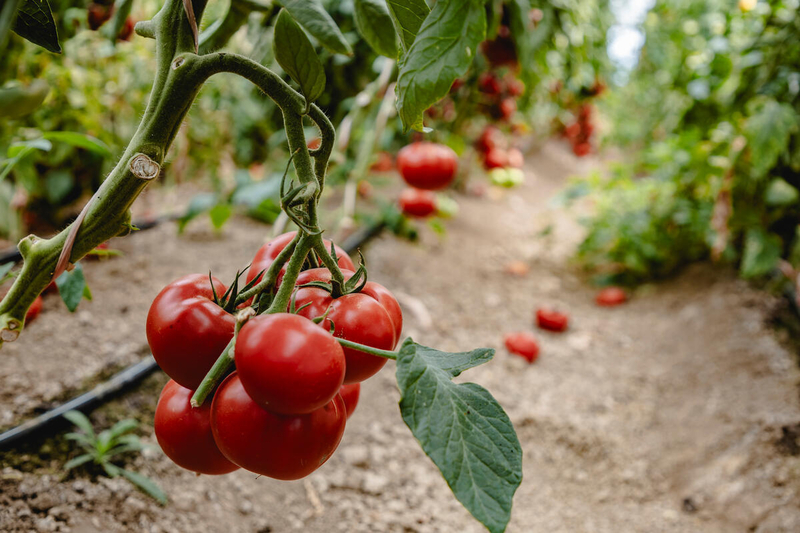
This project to strengthen compliance with food safety standards in Egypt, implemented by the EBRD and FAO in collaboration with the National Food Safety Authority (NFSA) and the Agricultural Export Council (AEC), is providing strategic support to stakeholders across different value chains, including citrus, grapes, medicinal and aromatic plants, strawberries, and tomatoes.
In addition to ensuring that food on our tables is safe, food safety standards act like a passport helping produce pass through international trade borders. Control measures include inspections at different points of the supply chain to track if the levels of pesticide and microbiological residues comply with required standards. Well-implemented traceability systems are necessary to secure information transparency along every stage of the value chain from farm to fork and to secure access to international markets.
The regulatory and enforcement framework has long been fragmented, with some procedures and requirements unclear to those trying to follow them. Egyptian regulatory bodies and the private sector have revamped their food safety system regulatory framework, while also streamlining processes and creating the enabling conditions for compliance. These efforts are being supported by a capacity-building programme that helps value chain stakeholders, particularly SMEs, to understand requirements and implement required changes along the supply change.
Develop and disseminate training materials that explain the new food safety regulations and market requirements, and the actions needed to comply with such standards, including new inspection modalities, traceability and labelling requirements, pest control and pesticide management, testing techniques, etc.
Provide training and technical support to facilitate private sector compliance with food safety standards and the adoption of best practices for the citrus, grape, strawberry, tomato, and medicinal and aromatic plant value chains. The training courses target farmers, intermediaries, and exporters, who share responsibility across the supply chain to ensure safe crops for export.
Support Egypt’s national bodies engaged in food control (NFSA, and the Central Plant Quarantine Administration – CAPQ) and the private sector with studies, data collected from farmers, exporters, and inspectors on pesticide use management, training guidelines and training, and up-to-date information on international best practices and food safety standards.