Regional: Scoping agrifood value chain investments in Western sub-Saharan Africa

summary

This project supports the EBRD in strengthening its engagement in West Africa’s agrifood sector by identifying high potential investment opportunities across priority agrifood value chains. The assignment began in Nigeria, followed by Côte d’Ivoire, Benin and Senegal, and will expand later to Ghana.

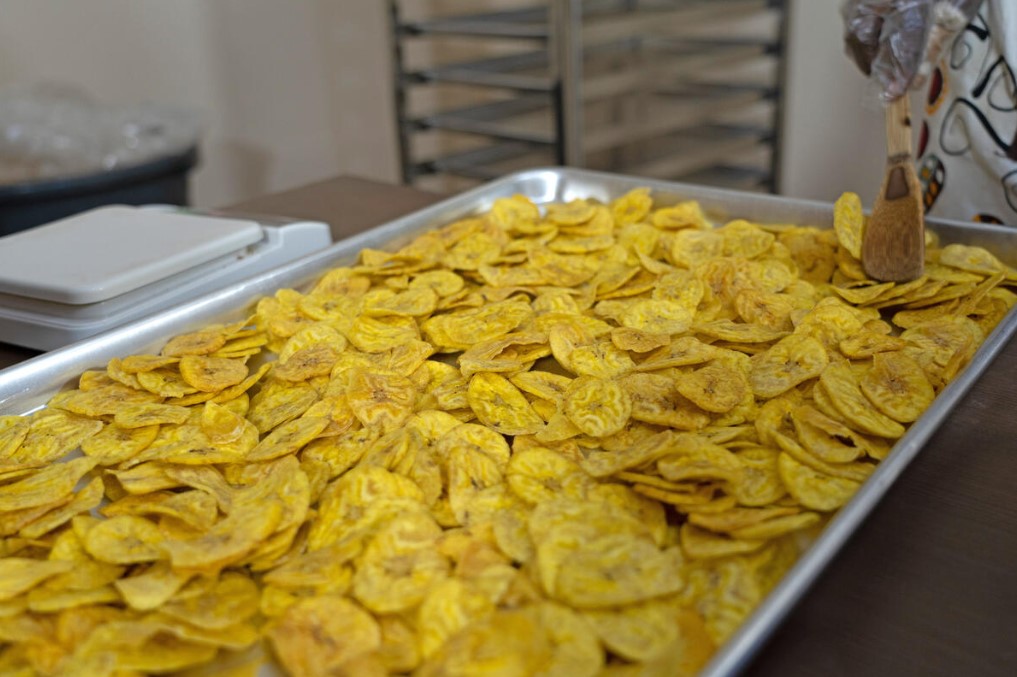
Through value chain analytics, stakeholder mapping and advisory needs assessments, the project will spotlight promising companies in sectors, such as cocoa, cashew, cassava and horticulture, ready for investment and development.

Strategic engagement with public and private actors will help turn insights into action, unlocking sustainable agribusiness investments in the region.

context

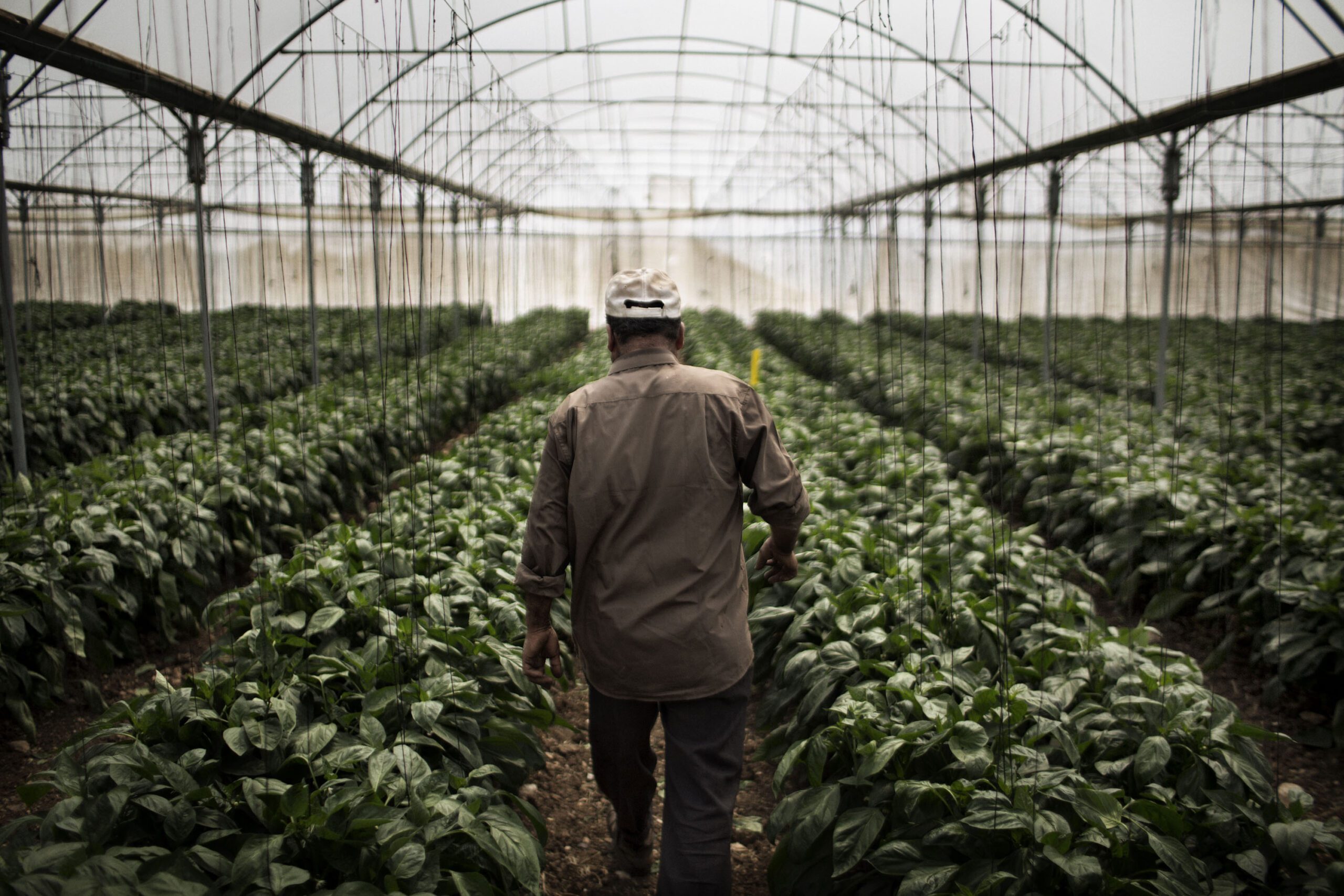
In West Africa, agriculture is a cornerstone of both the economy and livelihoods. Agrifood systems are critical for food security across the sub-region and hold significant potential to drive job creation, reduce poverty and support broader economic transformation.

Despite its strong potential, the sector continues to face persistent challenges, including limited access to finance, weak infrastructures and vulnerability to climate change. Strategic investments in high-value crops like cocoa, cashew and soya, alongside improvements in processing, logistics and market access, could unlock significant growth. Although intraregional trade remains limited due to transport inefficiencies, rising urban demand and evolving consumer preferences create promising opportunities for local value addition and greater regional integration.

This project assesses the food and agribusiness potential of key agrifood value chains in Nigeria, Côte d’Ivoire, Benin, Senegal and Ghana, exploring investment interest and constraints among major players. It also identifies capacity development needs, such as technologies, skills and human capital, and, in collaboration with the EBRD, outlines opportunities for further engagement with key stakeholders.

The project also examines the policy framework supporting major value chains in the region, in particular the level of protection and its impact on the long-term viability of investments.
activities

  • Rapid value chain prioritization and stakeholder mapping
  • Value chain advisory needs assessment and engagement strategy
  • Summary reporting and communication

RECENT PROJECTS

Scroll to Top

PROJECTS

AgriAcademy: digital learning, knowledge transfer and business matching in Ukraine’s agribusiness sector

Regional: Scoping agrifood value chain investments in Western sub-Saharan Africa

ACES: Urban logistics and reduction of Food Loss and Waste (FLW)

ACES: Agrifood Sustainability and Innovation E-Dialogue Series

Protecting and promoting the reputation of Türkiye’s Bursa black fig and peach

Developing NDC Roadmaps for Climate-Smart Agrifood Systems

Mongolia: Strengthening Climate Resilience in Dairy Farming

Greening Kyrgyzstan’s Economy: Know More, Act Better, Enhance Results

Facilitating agrifood investment in the energy-water-land nexus in Central Asia

Reforming Tunisia’s Grain Sector to Enhance Supply Chain Resilience

Adding A Splash of Value to Tunisian Olive Oil

Containing the Risks of African Swine Fever in South-eastern Europe

Defining the path towards climate-efficient agrifood system infrastructure

Filling Food Security Gaps in SEMED Supply Pipelines

A More Resilient Food Secure Future in the SEMED Region

Reducing Risks in SEMED Food Security Supply Chains

Improving Traditional Livelihoods with Modern Technology in Kazakhstan

Morocco Olive Oil Production Steps Up to the Plate

Carbon Neutrality: Utopia or The New Green Wave?

A Digital Transition to Safer Food Systems through e-phyto certificates

Putting Georgia’s Traditional Foods on the Culinary Roadmap

A Fresh Approach to Diversifying Agrifood Exports in the Western Balkans

Raising the Stakes for Quality Standards in Montenegro and Serbia

Diversifying Markets for Eastern European and Central Asian Horticulture

Building Back Shorter in Value Chains

Green Horticulture in a Digital Climate

A Taste for Quality Tea in Azerbaijan and Georgia

Linking youth innovation to value chain aggregators in the agrifood sector

The Resilience Pathway: Evolution of Food Distribution Systems during COVID-19

Putting Agricultural Resilience into Serbia’s Irrigation Pipelines

Reimagining the Future of Food for the Cities

Developing a Taste for West Bank and Gaza Olive Oil

Supporting Jordan’s Olive Oil Sector to be Resilient, Competitive and Profitable

Investing in Food Loss and Waste: What’s in it for Development Banks?

Strengthening Moroccan agrifood exporters’ sustainability and competitiveness on global high value markets

Jordan’s Traditional Foods Added to the Development Menu

Creating a Buzz for Türkiye’s Pine Honey

Serving up Egypt’s fruits and vegetables to the international markets

A Public-private Recipe for More Efficient Wheat Imports in Egypt

Agtivate
Privacy Overview

This website uses cookies so that we can provide you with the best user experience possible. Cookie information is stored in your browser and performs functions such as recognising you when you return to our website and helping our team to understand which sections of the website you find most interesting and useful.