PROJECT
INFORMATION
Geography
Focus Areas
Contact
Florent Tomatis
Jacopo Monzini
Keywords
Geography
Focus Areas
Contact
Florent Tomatis
Jacopo Monzini
Keywords
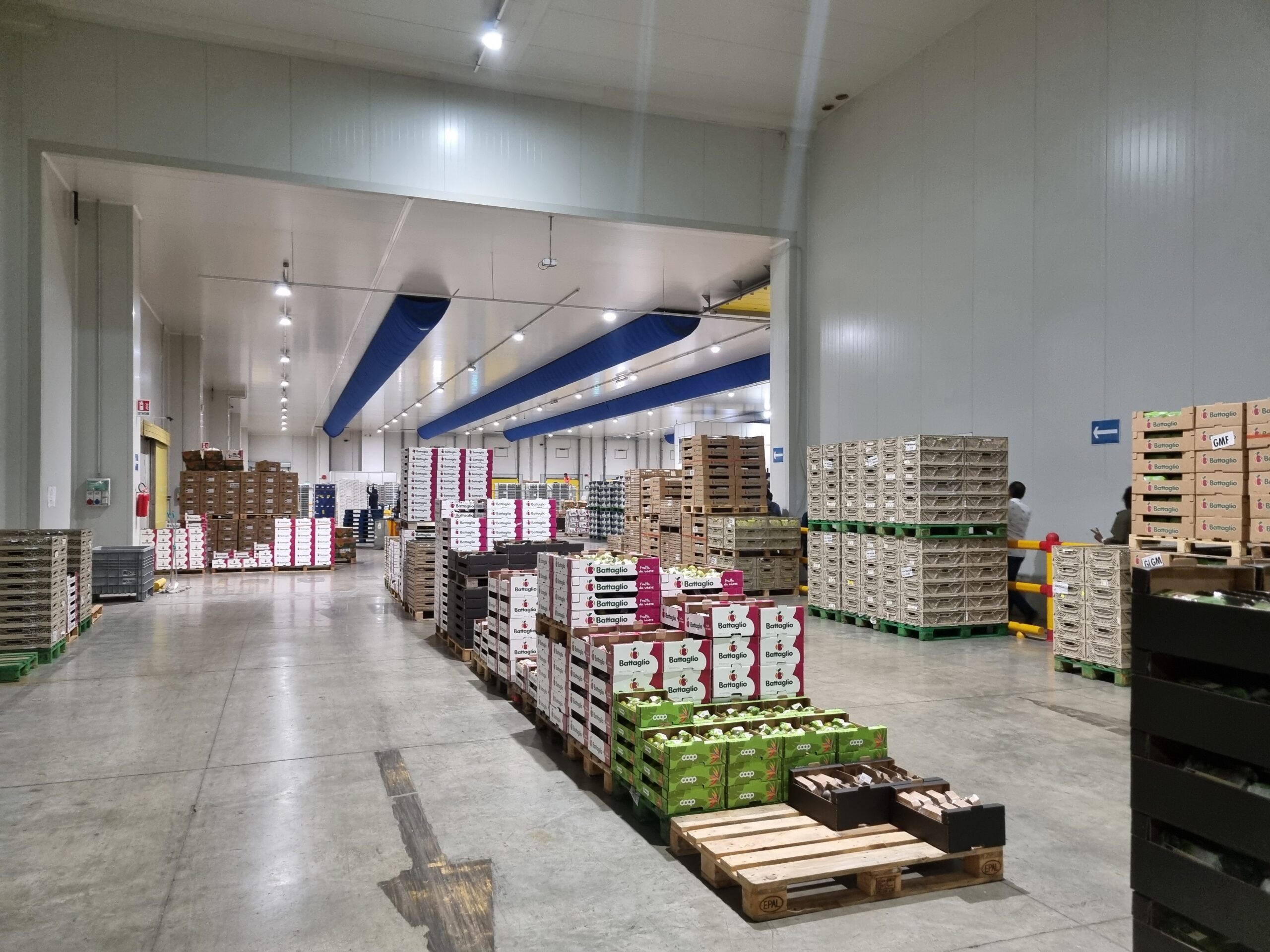
As part of the ACES initiative, FAO and EBRD will be working with the Turkish cities of Istanbul and Bursa to transform urban food systems through smarter logistics, sustainable practices and targeted investments – reducing congestion, emissions and food waste while strengthening resilient supply chains. In parallel, they will also focus on Turkish retailers as key drivers of change for reducing food loss and waste, helping them to anticipate emerging regulatory, technological and market developments.
Urban agrifood systems are under mounting pressure, as inefficient food logistics and waste management strain the environment, economies, and communities. Cities rely on complex, far-reaching supply chains – now increasingly fragile, as global shocks like COVID-19 and the war in Ukraine have revealed, triggering disruptions, price spikes, and rising food insecurity. Meanwhile, booming demand for healthier, local, and convenient food – fueled by e-commerce and rapid delivery – has transformed how cities eat, but at a cost: more congestion, higher emissions, and growing food loss and waste challenges.
In 2024, the FAO Investment Centre and the EBRD released their report Building Resilience in Urban Food Logistics Systems, setting out a roadmap for change through smarter infrastructure, digital innovation, sustainable practices, and stronger collaboration.
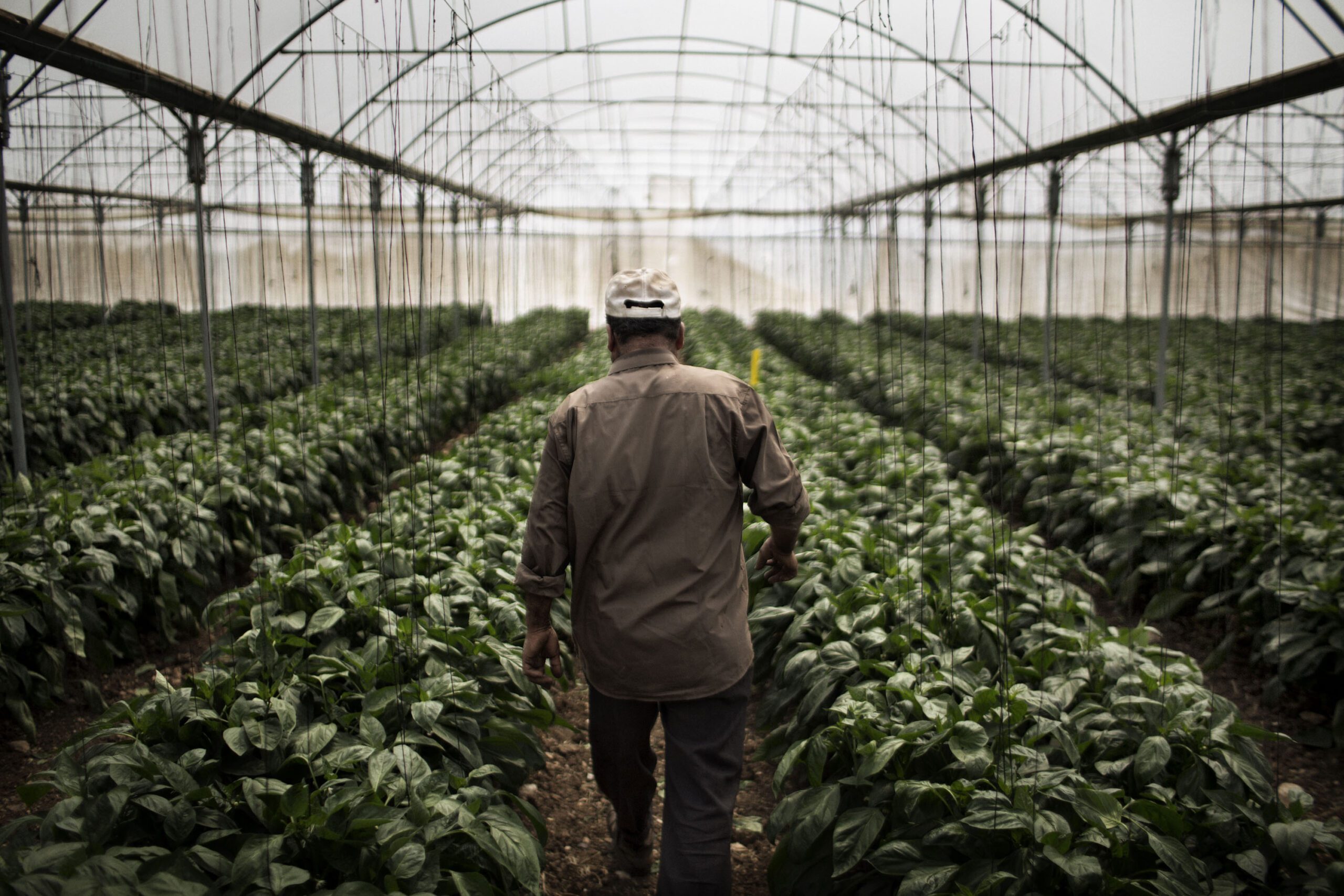
Building on this vision, FAO and the EBRD will be working with Istanbul and Bursa – both members of EBRD’s Green Cities programme – to unlock new policies and investments for cleaner, more efficient, and resilient urban food systems. The expected result is: greener cities with less congestion and waste, stronger urban-rural connections, smarter supply chains, and food systems that truly deliver – for people and the planet.
In addition, FAO and the EBRD will put a strong spotlight on food loss and waste at the retail level in Türkiye – where retailers, as key players in last-mile delivery, have the power to drive real change.
Food Loss and Waste (FLW) is one of the biggest inefficiencies in global food systems, with nearly one-third of all food lost or wasted – fueling emissions and wasting precious resources. In Türkiye alone, food waste disposal generates around 32 million tonnes of CO₂ annually, about 7.5 percent of national emissions. Retailers sit at the heart of the solution. From demand forecasting and cold chains to packaging and surplus redistribution, their decisions shape the entire system. Small improvements here can unlock major gains across the supply chain.
Through this project, FAO and EBRD will be partnering with Turkish retailers to identify high-impact actions and smart investments to cut waste, boost efficiency, and reduce emissions.
For urban agrifood systems, activities are a combination of analytical work, deployment of spatial tools, stakeholder engagement and capacity building, supporting cities in the identification and prioritization of actions to be included in their Green City Action Plans (GCAP). More specifically, activities include:
For the reduction of food loss and waste at retail level, activities include: