PROJECT
INFORMATION
Geography
Focus Areas
Contact
Lisa Paglietti
Keywords
Geography
Focus Areas
Contact
Lisa Paglietti
Keywords
Tunisia is boosting the quality and profile of its olive oil through an initiative that is also helping small and medium producers and processors access lucrative export markets.
Whether you opt for the green and grassy flavors of Chetoui or the fruity, nutty notes of Chemlali, quality bottled organic Tunisian olive oil is likely soon to be found on a dinner table near you. This is due to efforts by the Tunisian government, with the support of the EBRD and FAO, to restructure and modernize the sector by supporting smallholder producers to access high-value export markets and to improve the quality of their products. Market recognition has been demonstrated as a tool to deliver inclusive growth benefitting all actors along the value chain, including smallholders.
An earlier review highlighted that with the right support and investment, the quality olive oil sector could provide resilient, inclusive, sustainable livelihoods to SMEs across the value chain in Tunisia.
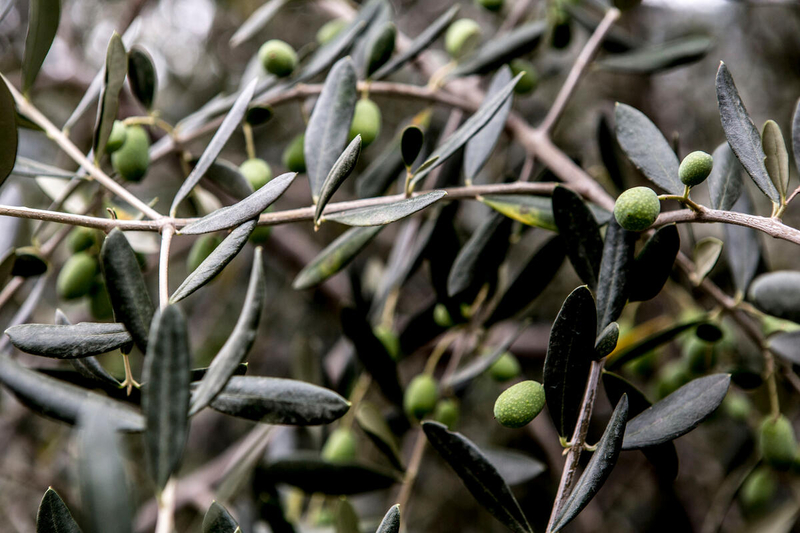
Olive trees grow with minimal water and production is relatively low in GHG credentials although capacity building is critical to improve growing and processing practices to achieve the quality needed for export markets.
Increasing market recognition and meeting the food safety standards required by supermarkets and other sophisticated retail chains opens the door to direct exports and increasing value added for oil producers. Hence, raising awareness on quality, hygiene, food safety and security is essential to further push the acquisitions of certifications, which is a great value added for the olive oil, making production ready to be exported.
Investments are also needed to upgrade operations along the value chain from tree to market, such as advanced irrigation systems, automated processing facilities and the digitalization of exports.
Support quality development:
Targeting olive oil SMEs to adopt and implement operational protocols to improve the quality and recognition of Tunisian olive oil.
Capacity building:
Training across all aspects of the olive oil value chain including better cultivation and harvesting techniques, timely and efficient transportation of olives, well-organized mills, importance of good hygiene practices and traceability and certification systems to satisfy the requirements of large retailers and high-end markets.
Export development:
Facilitating food safety certification processes and traceability, building the capacity of SMEs in export development and building strong links between producers and high-value markets.
Respond to the challenges of COVID-19:
Raising awareness, encouraging good practices and ensuring the health and safety guidelines are understood and followed.
Food Safety and Food Quality