Enhancing market diversification for traditional product value chains in Tunisia, Jordan and Morocco

summary

This project aims to strengthen traditional agrifood value chains in Jordan, Morocco and Tunisia while preserving product authenticity and supporting local communities. It focuses on improving quality, organizing supply chains, expanding local and international markets, and promoting sustainability to help businesses become more resilient and profitable while boosting rural economies.

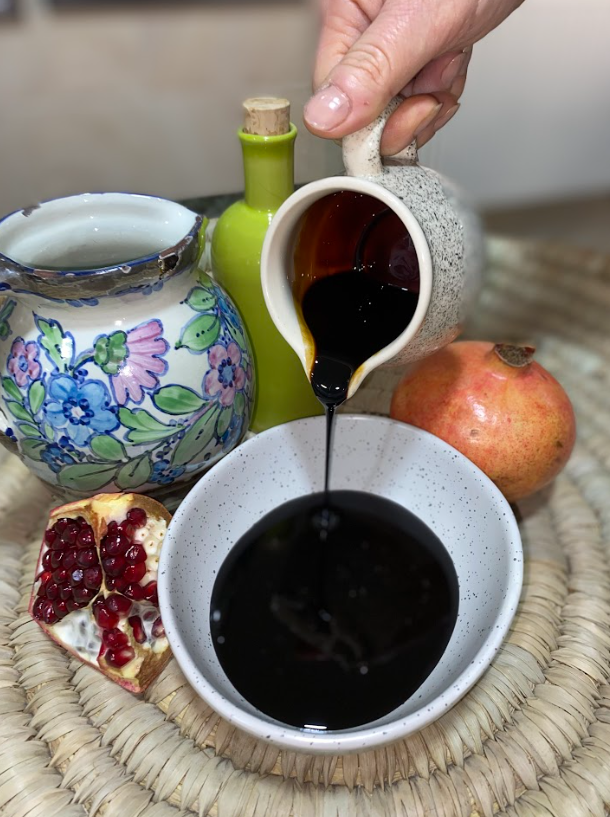
The project will support stakeholders in the harissa, dates, pomegranate, culinary argan oil and saffron value chains to expand their market potential through educational visits, workshops and on-site training.

CONTEXT

Agriculture is a cornerstone of the economies of Jordan, Morocco, and Tunisia – powering GDP, sustaining livelihoods, and anchoring rural communities. At the heart of this sector lie traditional food value chains: products rich in cultural heritage, deeply tied to national identity, and brimming with untapped economic promise. Yet despite their significance, these value chains often struggle with fragmentation, low productivity, and limited access to modern markets – challenges that undermine quality, consistency, and traceability, all essential for reaching premium, high-value segments.

At the same time, a powerful shift is underway. Consumers – both locally and globally – are increasingly drawn to authentic, traceable, and sustainably produced foods. This growing demand presents a unique window of opportunity for traditional products to flourish. Building on the strong track record of collaboration between the EBRD and FAO – including pioneering work on Geographical Indications (GIs), quality labels, and tourism-driven agrifood initiatives – this project aims to tackle persistent structural barriers and unlock the full market potential of traditional value chains across the SEMED region.

The project is part of the EU’s Value Chain Competitiveness Program (VCCP), which supports sustainable economic development in the Southern and Eastern Mediterranean region (SEMED).

Activities

  • Defining guidelines for the development of aggregators supporting market access for traditional products, and designing aggregator models in collaboration with specific stakeholders. This includes holding consultations among relevant and pre-identified stakeholders, B2B platform designs and implementation plan, and providing support for existing sustainable market linkage platforms.
  • Designing and implementing training programmes for producers, aggregators and food sector stakeholders on pathways for reaching high-end markets, and supporting stakeholders in leveraging better market opportunities through a market diversification strategy.
  • Hosting a knowledge exchange mission on best practices of traditional value chain integration and quality promotion, which will be combined with a trade mission and participation in international expos.
  • Developing ready-for-market strategies and communication toolkits targeting domestic and international outlets for selected products.
  • Taking steps to ensure the improvement of quality, safety, labelling and standards for high-value products which can lead to increased appeal in domestic and export markets.

Achievements

  • SWOT analysis and preliminary assessment of five shortlisted products (pomegranate in Jordan, Harissa and dates in Tunisia, and culinary argan oil and saffron in Morocco).

RECENT PROJECTS

Scroll to Top

PROJECTS

Enhancing market diversification for traditional product value chains in Tunisia, Jordan and Morocco

ACES: an Agrifood Climate and Environmental Sustainability initiative

AgriAcademy: digital learning, knowledge transfer and business matching in Ukraine’s agribusiness sector

Regional: Scoping agrifood value chain investments in Western sub-Saharan Africa

ACES: Urban logistics and reduction of Food Loss and Waste (FLW)

ACES: Agrifood Sustainability and Innovation E-Dialogue Series

Protecting and promoting the reputation of Türkiye’s Bursa black fig and peach

Developing NDC Roadmaps for Climate-Smart Agrifood Systems

Mongolia: Strengthening Climate Resilience in Dairy Farming

Greening Kyrgyzstan’s Economy: Know More, Act Better, Enhance Results

Facilitating agrifood investment in the energy-water-land nexus in Central Asia

Reforming Tunisia’s Grain Sector to Enhance Supply Chain Resilience

Adding A Splash of Value to Tunisian Olive Oil

Containing the Risks of African Swine Fever in South-eastern Europe

Defining the path towards climate-efficient agrifood system infrastructure

Filling Food Security Gaps in SEMED Supply Pipelines

A More Resilient Food Secure Future in the SEMED Region

Reducing Risks in SEMED Food Security Supply Chains

Improving Traditional Livelihoods with Modern Technology in Kazakhstan

Morocco Olive Oil Production Steps Up to the Plate

Carbon Neutrality: Utopia or The New Green Wave?

A Digital Transition to Safer Food Systems through e-phyto certificates

Putting Georgia’s Traditional Foods on the Culinary Roadmap

A Fresh Approach to Diversifying Agrifood Exports in the Western Balkans

Raising the Stakes for Quality Standards in Montenegro and Serbia

Diversifying Markets for Eastern European and Central Asian Horticulture

Building Back Shorter in Value Chains

Green Horticulture in a Digital Climate

A Taste for Quality Tea in Azerbaijan and Georgia

Linking youth innovation to value chain aggregators in the agrifood sector

The Resilience Pathway: Evolution of Food Distribution Systems during COVID-19

Putting Agricultural Resilience into Serbia’s Irrigation Pipelines

Reimagining the Future of Food for the Cities

Developing a Taste for West Bank and Gaza Olive Oil

Supporting Jordan’s Olive Oil Sector to be Resilient, Competitive and Profitable

Investing in Food Loss and Waste: What’s in it for Development Banks?

Strengthening Moroccan agrifood exporters’ sustainability and competitiveness on global high value markets

Jordan’s Traditional Foods Added to the Development Menu

Creating a Buzz for Türkiye’s Pine Honey

Serving up Egypt’s fruits and vegetables to the international markets

A Public-private Recipe for More Efficient Wheat Imports in Egypt

Agtivate
Privacy Overview

This website uses cookies so that we can provide you with the best user experience possible. Cookie information is stored in your browser and performs functions such as recognising you when you return to our website and helping our team to understand which sections of the website you find most interesting and useful.