A More Resilient Food Secure Future in the SEMED Region
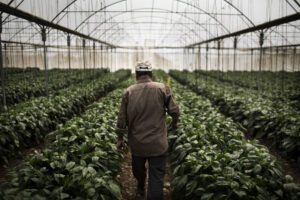
Better management of natural resources is set to help Egypt, Gaza, Jordan, Lebanon, Morocco, Tunisia and the West Bank diversify and boost food production.

Better management of natural resources is set to help Egypt, Gaza, Jordan, Lebanon, Morocco, Tunisia and the West Bank diversify and boost food production.

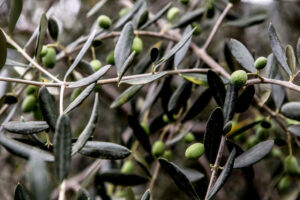
Morocco’s olive oil industry is becoming more competitive globally with better quality products helping to increase incomes for farmers and producers.

The EBRD and FAO have embarked on a comprehensive study to assess trends, challenges and opportunities for decarbonizing agrifood systems and help countries achieve multiple Sustainable Development Goals.

Climate-smart solutions can reduce production risks and boost trade and investment. An EBRD and FAO projectexplores the green fruit and vegetable production in Georgia, Moldova, Ukraine and Uzbekistan.

Improving tea quality while anticipating climate risks could change the fortunes of two ancient tea-producing industries according to new reports by the EBRD and FAO.

The EBRD and FAO are working with the government in Serbia to enhance and upgrade the country’s irrigation systems as part of efforts to protect and increase its agricultural productivity, environmental sustainability and climate change resilience.

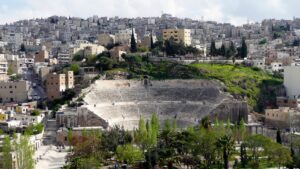
Increasing export markets for Jordan’s olive oil will generate income for farmers and producers and boost resilience to increasing water scarcity and erratic weather.

Development banks can play an important role in the transformation to less wasteful food systems. A new brief sets out how.

The EBRD and FAO are working with the government in Morocco to increase deliveries of its high-value horticultural products to both developed and prospective markets while anticipating sustainability risks posed by the expansion of key fruit and vegetable value chains in the country.