Reducing Risks in SEMED Food Security Supply Chains
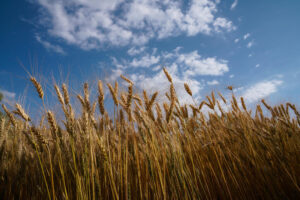
Egypt, Jordan Lebanon, Morocco, Tunisia, and the West Bank and Gaza broadening their supply base as part of a strategy for greater stability for imported food security crops like grain.

Egypt, Jordan Lebanon, Morocco, Tunisia, and the West Bank and Gaza broadening their supply base as part of a strategy for greater stability for imported food security crops like grain.

Digital innovations and capacity building are driving change in milk sector, connecting smallholders to processors to boost raw milk quality, steady supplies, and reduce inefficiencies.

The EBRD and FAO have embarked on a comprehensive study to assess trends, challenges and opportunities for decarbonizing agrifood systems and help countries achieve multiple Sustainable Development Goals.

As digital innovations bring new opportunities for many countries to trade safely and efficiently across international borders, the EBRD and FAO are providing the support they need to leave the paper trail behind.

The EBRD and FAO are working with partners in Georgia to strengthen its agritourism industry and create more jobs in rural areas, protect livelihoods and culinary traditions, and preserve local biodiversity.

Working closely with public and private sector partners in Bosnia and Herzegovina, Montenegro, North Macedonia, Serbia and Ukraine are building on their long-established export markets for grains and cereals by offering an extra serving of fresh fruit, with a side order of honey and wine.

Montenegro and Serbia are improving quality standards and labelling for a range of quality products that will promote sustainable agrifood value chains, increase market competitiveness and tap into tourism markets.

Georgia, Moldova, Tajikistan and Uzbekistan are set to capitalize on increased global consumer demand for fruit and vegetables through this project to build capacity, investment and market links to boost their horticultural exports.

The EBRD and FAO have visited seven cities as part of a project to understand how the COVID-19 pandemic has shaped how fresh foods are distributed and bought, paving the way for food systems that are more flexible and resilient.

The EBRD and FAO are working with the government in Serbia to enhance and upgrade the country’s irrigation systems as part of efforts to protect and increase its agricultural productivity, environmental sustainability and climate change resilience.